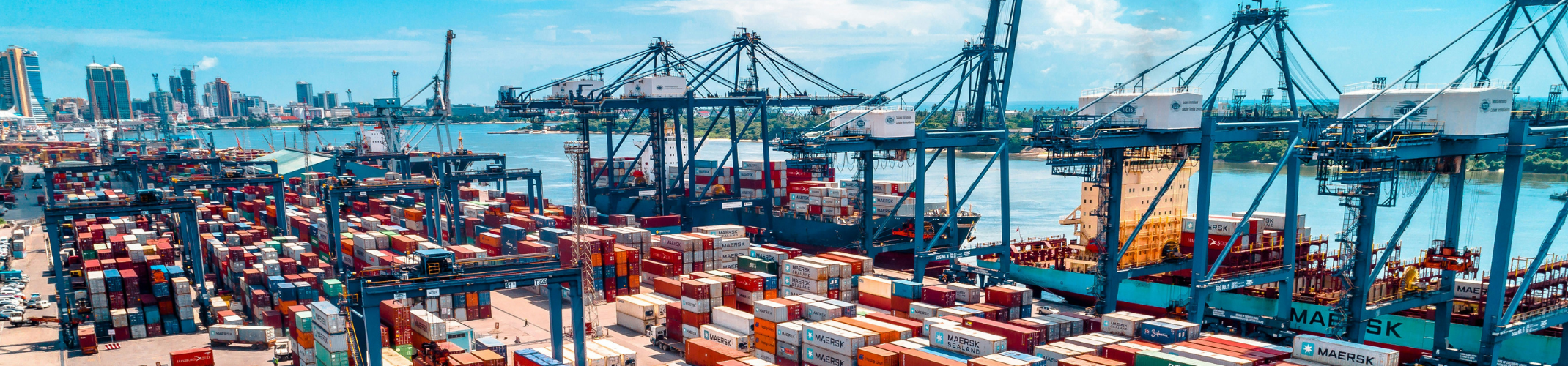
Avoiding Detention and Demurrage Fees
A Proactive Guide for Shippers
When your containers hit the port, the race against the clock begins. Between vessel delays, documentation requirements, customs checks, and drayage schedules, shippers face countless moving parts. Unfortunately, detention and demurrage fees often show up when even one of those parts is out of sync. These charges add up quickly, increasing your total landed cost and slowing down your entire supply chain.
There is good news. With the right preparation and visibility, most detention and demurrage fees are avoidable.
Understanding Detention and Demurrage
Before exploring prevention strategies, it’s essential to understand the difference between the two charges:
- Demurrage occurs when a container stays too long at the terminal before pickup.
- Detention occurs when a container is taken out of the terminal but not returned within the allowed free time.
Both are tied to timing, both can become expensive fast, and both can disrupt downstream operations if not managed proactively.
 The True Cost of Delays
Detention and demurrage fees are rarely isolated expenses. When a container sits longer than expected, costs compound:
- Daily storage or equipment fees
- Increased labor costs for rescheduled receiving
- Production or inventory delays
- Missed delivery deadlines for customers or distribution partners
A delay of just one or two days can completely change your landed cost and introduce ripple effects across your supply chain. This is why proactive planning is essential.
Common Causes of Detention and Demurrage
Port Congestion and Terminal Backlogs
Major ports often experience vessel bunching, equipment shortages, or reduced labor availability, all of which can delay container availability and truck appointments.
Documentation Delays
Missing, incorrect, or late paperwork is one of the most common causes of demurrage. If a bill of lading isn’t released or customs documents aren’t submitted early, the container may be stuck waiting, even if it’s physically available.
Customs Holds and Inspections
Certain shipments get flagged for examination, and while some holds are random, others can be triggered by incomplete or inaccurate documentation.
Trucking & Drayage Constraints
Chassis shortages, driver availability, or appointment bottlenecks can make it difficult to retrieve containers within the allotted free time.
Proactive Strategies to Prevent These Fees
- Improve Pre-Arrival Coordination
A strong pre-arrival process is often the biggest differentiator between a smooth pickup and an expensive delay. Double-check all documents, confirm arrival notices, and communicate dates with your receiving warehouse.
- Strengthen Communication with Carriers and Forwarders
Knowing cut-off times, holiday schedules, and free time limits puts you in control of the timeline. Your logistics partners should proactively notify you of changes, especially when vessels are delayed or discharged early.
- Optimize Your Drayage Strategy
Booking trucking in advance is essential. Work with trusted drayage partners who actively monitor ports and can adapt when terminal conditions shift.
- Use Digital Tracking Tools
Real-time container tracking allows you to spot problems early. Automated alerts for holds, availability, and cutoff deadlines give your team a chance to act before fees accrue. The SiShips mobile app is an innovative solution for modern shippers and provides transparency at the touch of a button.
- Plan for Customs Contingencies
Even well-prepared shipments may be selected for inspection. Pre-clearing cargo where possible and maintaining thorough compliance documentation can significantly reduce processing delays.
- Maintain Flexible Warehouse & Labor Scheduling
Your receiving team should be ready to unload containers promptly. This is something that demands extra attention during peak seasons or when vessels bunch. Extended receiving hours can be the difference between staying on schedule and paying detention.
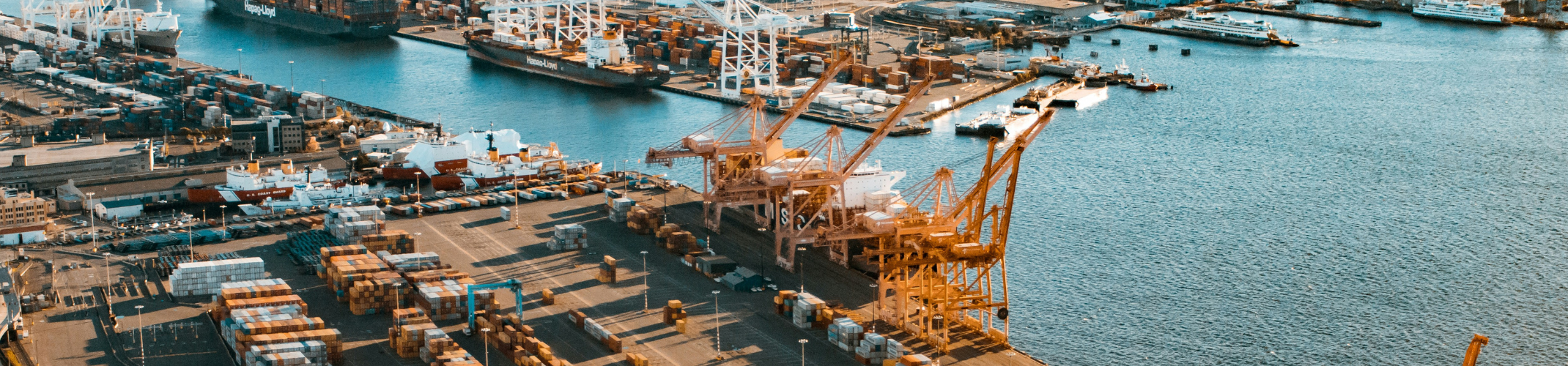
Image courtesy of Shunya Koide / Unsplash
Understanding Free Time and Negotiating Better Terms
Carriers provide a set amount of free time before detention or demurrage begins. This varies depending on the trade lane, port, and carrier. If you’re shipping high volume, negotiating extra free time may be possible. Long-standing relationships and consistent lane volume often give shippers stronger leverage for these discussions.
A skilled freight forwarder acts as an extension of your operations team by monitoring vessel schedules and delays; managing customs documentation; tracking container availability and free time; coordinating drayage, chassis, and warehouse timing; and providing early warnings when timelines shift
This level of oversight helps shippers make timely decisions and avoid unnecessary charges.
Final Checklist for Shippers
A quick, repeatable process can prevent thousands of dollars in fees:
- Verify all documentation before vessel arrival
- Track containers daily
- Understand your free time windows
- Schedule drayage early
- Prepare receiving teams in advance
- Maintain clear communication with logistics partners
Stay in Control with Sheltered International
Global supply chains are constantly shifting. SiShips puts the shipper in control, offering efficient and cost-effective ways to transport your product.
To learn more about our personalized expertise and state-of-the-art software, contact us today.