Sheltered International, Author at SiShips - Page 10 of 13

Skip to Content

Largest Container Ship to Visit the East Coast

Recent Posts by Sheltered International

Largest Container Ship to Visit the East Coast

Increased Ship Size is Creating More Work and Congestion at Ports
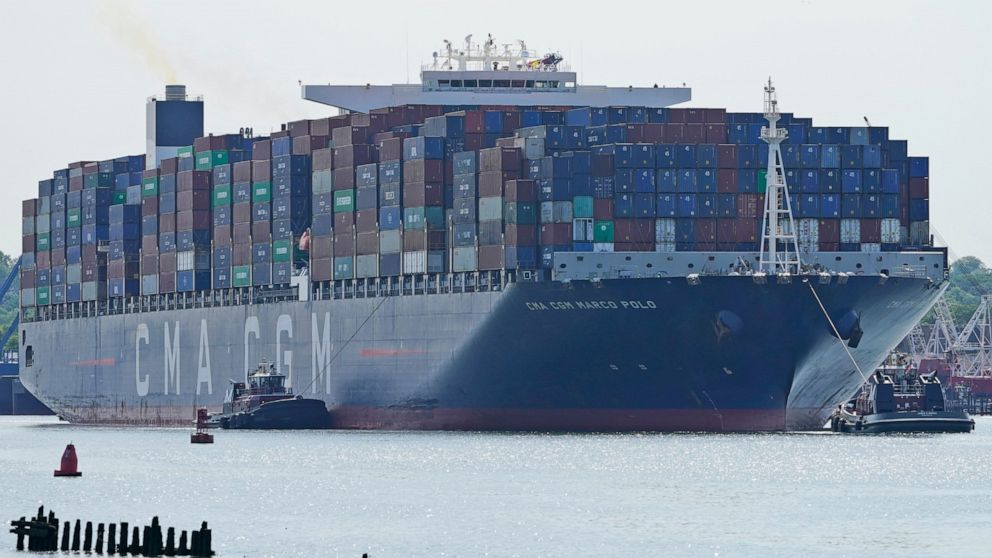
Container Ship

via The Associated Press

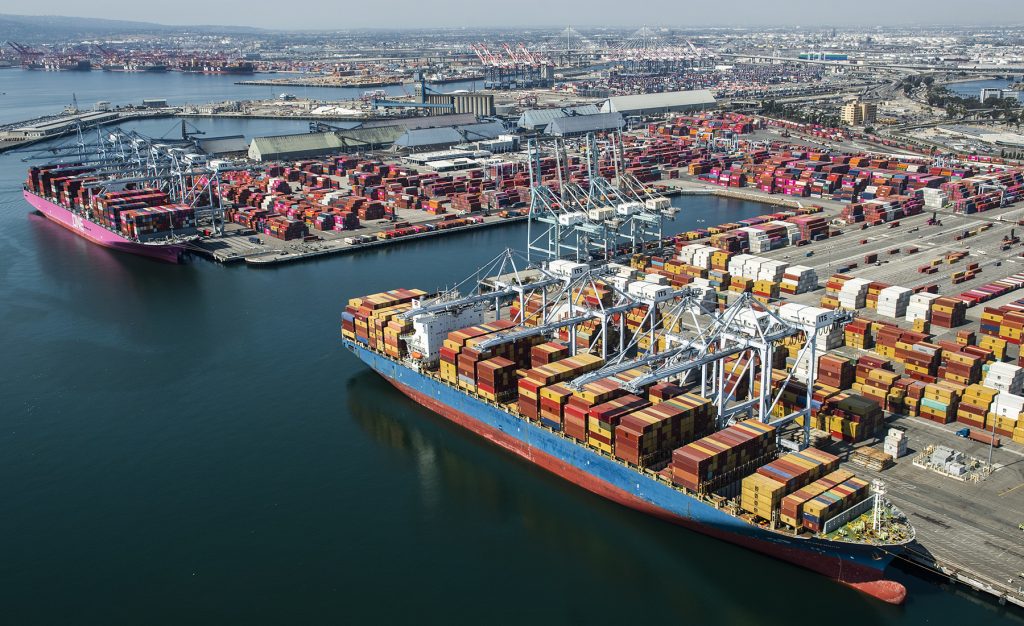
The largest container ship to ever serve the East Coast of the U.S. called on the Ports of New Jersey, Norfolk, Virginia, Savannah, Georgia, and Charleston, South Carolina this week.

The Marco Polo is a container ship of the Explorer class owned by the CMA CGM Group. It is 1,300 feet long, nearly the length of four football fields, and can carry a capacity of 16,022 20-foot-long containers.

Surge in Volume

Although exciting, the Marco Polo’s visit this week calls attention to the surging volume handled by ports nationwide as COVID-19 restrictions continue to ease, as well as the billions of dollars spent by port systems to accommodate these larger ships.

Container volume at U.S. ports lagged a year ago during the height of the pandemic as manufacturing slowed, although the demand for goods remained fairly strong when travel and leisure dollars shifted to home improvement projects and online purchases. Since then, volume has come roaring back. 

In August 2020, monthly container volume for the 10 busiest U.S. ports had surpassed 2019 levels, according to statistics compiled by the U.S. Department of Transportation. Los Angeles – the only U.S. port busier than New Jersey/New York – had the best April in its 114-year history, and has had nine straight months of year-over-year increases.

Challenges Coming to a Head

“The surge in volume has brought its own challenges,” said John Nardi, president of the New York Shipping Association, which represents ocean carriers and port terminal operators.

Nardi went on to say, “At the New Jersey and New York ports, container volume in March 2021 was 37 percent higher than March 2020, and volumes that were projected in a study by the Port Authority for 2026, are already being hit this year.” 

The surge in volume has significantly increased the time containers sit at the terminal after they are unloaded.

“It’s everybody, from the truckers to the warehouses to the terminals and ocean carriers — everybody is operating at maximum capacity,” Nardi said. “The whole supply chain is getting backed up.”


With shipping demands at an all-time high, it is critical to choose the best possible company for your shipping needs. Sheltered International can ensure the quickest and most reliable options for your company.

To learn more about SiShips, or to view a demo of our software, contact us today.

2 Continue Reading →

Is China to Blame for Sudden Container Shortage?

As the US Faces a Shortage in Shipping Containers, we are Forced to Wonder if China is to Blame. 

This container shortage has been a prevalent issue for months at US ports. Federal Maritime Commissioner Carl Bentzel stated that he believes, “China may be manipulating the market to control the availability of containers.”

“I am concerned that this equipment is controlled by a state-owned enterprise and that we’re completely reliant, and I have questions about whether or not there’s been market manipulation of what is potentially a monopoly,” Bentzel said on Wednesday.

Shipping Demands Continue to Grow

Container shortage

This container shortage comes at a bad time as shipping demands continue to grow. With China in full control, there are fears that this issue will not be solved quickly. Equipment leasing companies – which purchase containers from the Chinese manufacturers and then lease them out to shipping lines – are prepared for a very profitable market well into 2022. With fewer boxes available, shippers are going to be forced to pay higher rates to move their cargo. 

On top of higher rates, it is projected that shipping times from Asia are going to remain slower than usual. 

“We’re understanding from the ocean shipping lines that they’re waiting two weeks in China to get cargo containers, and we’re seeing delays of up to two weeks on intermodal movements going through railroad terminals as [U.S. railroads] are also grappling with challenges providing the equipment that is necessary to move,” Bentzel said.

Previously only estimated to take 33 days, transit from Bejing to Chicago has now increased to roughly 65 days. This delay will cause disruptions in shipping times across the world. 

Legal Allegations Against Shipping Lines Arise

Along with the operational challenges being faced, legal issues have been raised. Major container line shipping policies are being investigated due to recent allegations of favoring the Chinese market. 

These allegations state that certain carriers are refusing to serve U.S. exporters, as it is more profitable for them to immediately send empty containers back to China to be filled with U.S. imports, rather than allowing them to be used for U.S. exporters. 

“I anticipate that we’re moving closer towards enforcement proceedings or policy suggestions to help better serve the shipping public,” Bentzel said. 

How SiShips Can Help

With so many unforeseen factors impacting freight rates, it can be difficult to know if you’re getting the best price. With SiShips software, you can get instant access to quote options. This means you can spend less time stressing over finding the best price and more time growing your margins. 


To learn more about SiShips, or to view a demo of our software, contact us today.

0 Continue Reading →

Guide to Survive 2021 Shipping

5 Tips to Help Navigate the Unusual Shipping Delays 2021 Will Bring

1. Book Early

Due to the current over-demand in the shipping industry, paired with capacity and equipment shortages, booking your shipments early has never been more important. Within 3 weeks of departure, bookings are already full. It is essential that you make your booking at least 4 weeks prior to the cargo ready date.

Typically, shippers were in the habit of booking cargo once it is ready, this system may have been efficient prior to the Covid-19, however, if you go by this schedule now, you will find yourself in the back of a huge queue. Booking before knowing the final dimensions and weight of the shipment is fine. You can temporarily use estimates and adjust the numbers at pickup.

Another thing to keep in mind is that simply receiving a quote does not mean a formal booking has been made with the carrier. The carrier will not hold space until the shipper makes a formal booking. Mistaking a quote for a booking could result in lengthy delays.

2. Plan on Longer Lead Times

The upcoming shipping climate will likely not compare to the service levels from the first quarter of 2020. It may take longer for your shipment to begin moving, and once it does, plan to expect transit delays and missed pickups. With these conditions in mind, plan your shipping forecasts accordingly. 

During these times it’s important to be honest with your customers and make sure they understand the current capacity constraints. Factor rolled containers, missed pickups, and late deliveries into your planning, as these are the current realistic conditions.

3. Split Larger Shipments into Smaller BOL’s

Often carriers have trouble releasing space for larger bookings, we suggest splitting ocean container shipments to no more than two containers per bill lading, and air shipments no more than 1,000 kilos per bill lading. 

Though this will increase your cost, it will make finding space for your shipment much easier for the carrier, especially when the vessel is nearly full, allowing for more efficient shipping timelines. Factories may be hesitant to make multiple bookings as it will increase their fees, however as their customer you should negotiate this point with them.

4. Avoid Inland Rail

The rail is currently heavily congested, by suggesting that customers terminate and clear customs at the first ocean port, shipping expectancies could be improved. Clearing customs at the ocean port and then using truck service to complete the shipment’s journey will allow for the shipment to skip over the rail and avoid getting stuck with huge backlogs. 

The transfer is manifested in Customs AMS so once a shipment departs, it might not be possible to update its route. Typically the customer has to decide to terminate at the first port 10 days prior to arrival, so thinking ahead is a must in this situation.

5. Enlist SiShips

By enlisting the help of our services, SiShips will allow for ease of mind in a hectic time. With GPS visibility the status of shipments will never go unknown. Due to the delays mentioned above, the information given may not be ideal, however, you can be assured it is accurate. 

Included with our services is the ability to have a shipment pre-cleared through customs prior to its arrival. This will help to decrease shipping delays.


To learn more about SiShips, or to view a demo of our software, contact us today.

11 Continue Reading →

Ship Congestion Continues 

The Impact of the Suez Canal Blockage on Global Shipping

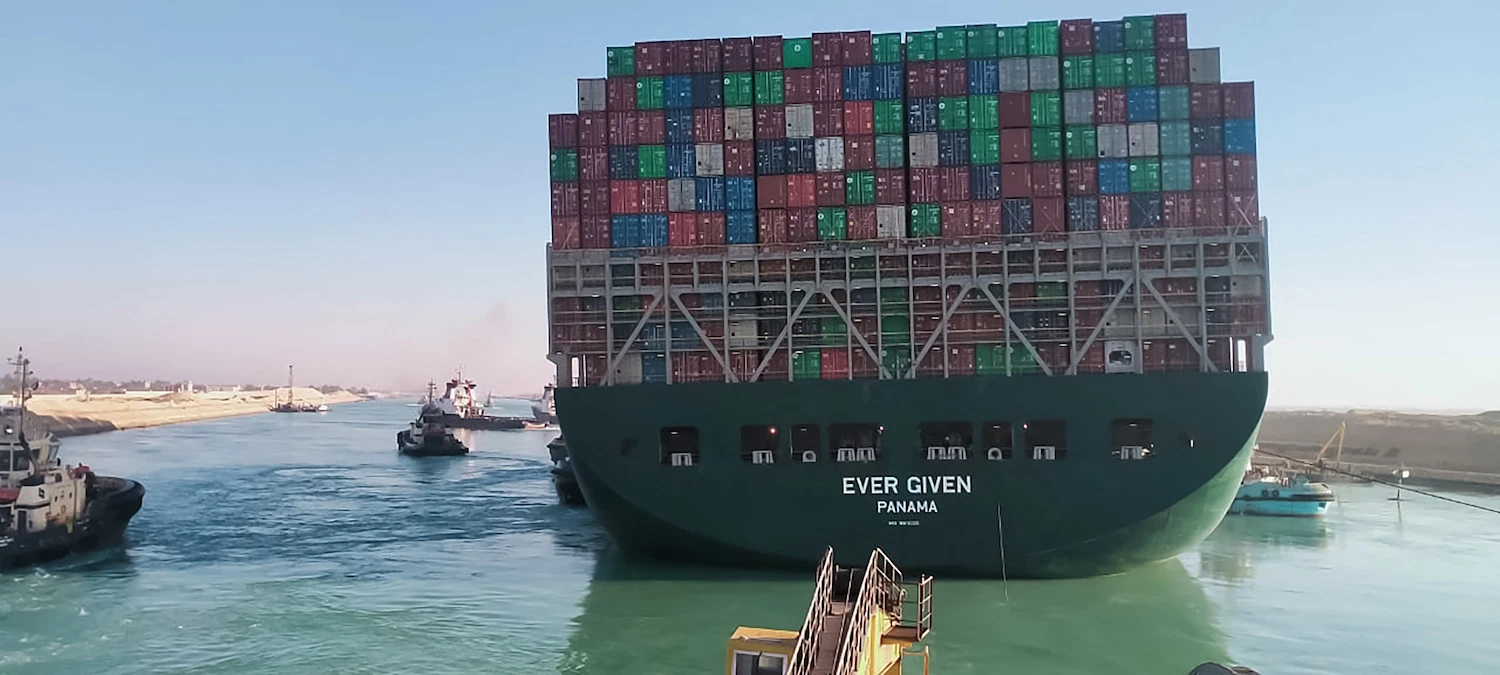
The recent situation in the Suez Canal resulting in the containership Ever Given blocking the enitre canal for days, could not have happened at a worse time due to to the current extremely high shipping demands. Global shipping, the industry that transports steel boxes full of products around the global economy, was already reporting record highs and operating at full capacity.

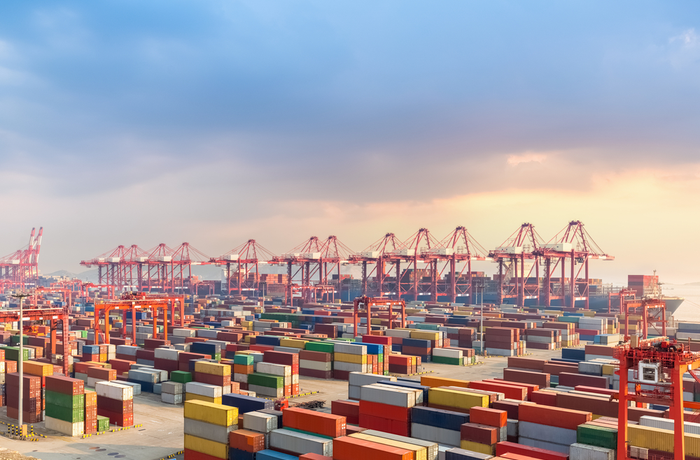
The Port of Long Beach reported its busiest month ever in March 2021 as imports continued to pour into U.S. seaports. The congestion resulting from the Suez canal is not directly affecting operations at the Port of Long Beach according to Noel Hacegaba, the deputy executive director with the Port. However, as companies search for alternative routes, Long Beach could experience an increased amount of ships docked offshore in the coming weeks.

Shipping congestion

Photo courtesy of Thomas R. Cordova.

Trade Routes Further Slowed

Ship congestion outside the biggest U.S. gateway for Asian imports remained elevated with the wait to offload containers lengthening to eight days, which added costs and complications for companies trying to stay well-stocked in an accelerating economy.

All of the above considered, the Suez Canal blockage only further slowed trade flows. Rolf Habben Jansen, chief executive officer of Hapag-Lloyd AG, reported “Box availability will be tight for the next six to eight weeks.” Specifically citing ports in the U.K. and in Rotterdam, Europe’s largest for ocean cargo, among the gateways facing delays. 

Jansen went on to say, “we hope to get back to some kind of normalcy toward the end of the second quarter or early in the third quarter, but that certainly is not a given and is probably a bit of a best-case scenario but not impossible.”

How Sheltered International Can Help

With shipping demands at an all-time high, it is critical to choose the best possible company for your shipping needs. Sheltered International can ensure the quickest and most reliable options for your company.


To learn more about SiShips, or to view a demo of our software, contact us today.
3 Continue Reading →

Tensions High Over Ever Given Containership Blockage

Egypt Seizes Ever Given, Demands $900M for Suez Canal Blockage

Egyptian authorities have seized the Ever Given containership, which blocked the Suez Canal for almost a week last month, amidst a dispute over financial damages.

Egyptian authorities have ordered the Ever Given’s owner, Japanese chartering company Shoei Kisen Kaisha, to pay $900 million in compensation. The bill includes losses inflicted by the congestions the ship caused, maintenance fees and rescue operation costs, according to Egypt’s state-run news agency Al Ahram.

Suez Canal

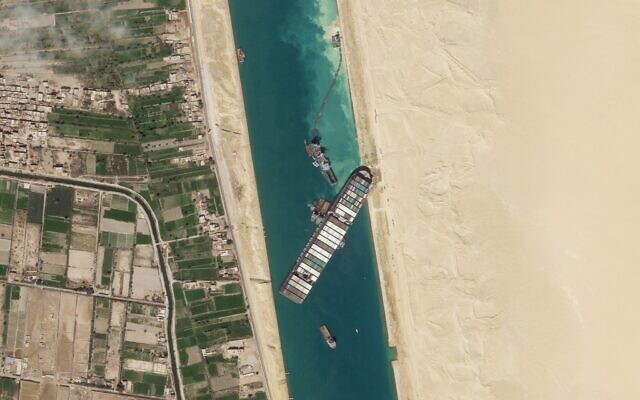
Image courtesy of Planet Labs Inc.

The Backstory 

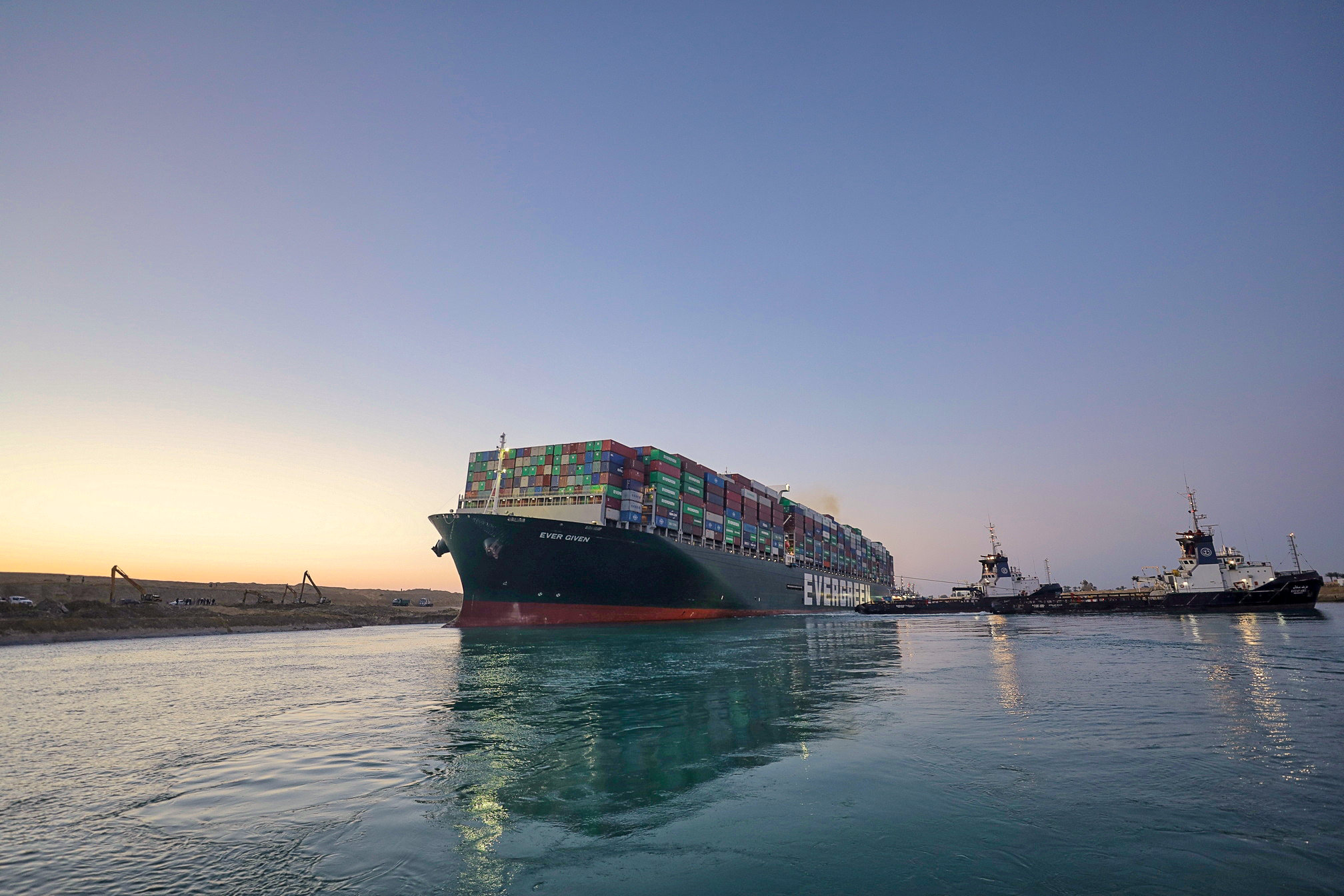
On March 29th, 2021, The Ever Given containership was successfully dislodged after blocking the Suez Canal for nearly a week. Because of the blockage, the Suez Canal experienced a congestion of an upwards of 422 ships. 

The rescue operation, which required extensive dredging and tugging operations, gained huge global attention with each day that passed, as ships from around the world, carrying vital fuel and cargo, were blocked from entering the canal during the crisis, raising alarm over the impact on global supply chains.

Two Sides to Every Story 

CNN reports that UK Club, one of the ship’s insurers, questioned the basis of Egypt’s claim.

“Despite the magnitude of the claim which was largely unsupported, the owners and their insurers have been negotiating in good faith with the SCA. On 12 April, a carefully considered and generous offer was made to the SCA to settle their claim,”  UK Club said in response to the claim from the Suez Canal Authority (SCA).

UK Club’s statement went on to explain why they believes the claim is not valid.

“The SCA has not provided a detailed justification for this extraordinarily large claim, which includes a $300 million claim for a ‘salvage bonus’ and a $300 million claim for ‘loss of reputation.’ The grounding resulted in no pollution and no reported injuries. The vessel was re-floated after six days and the Suez Canal promptly resumed their commercial operations. The claim presented by the SCA also does not include the professional salvor’s claim for their salvage services, which owners and their hull underwriters expect to receive separately,” the UK Club statement said.

On Wednesday, the ship’s technical managers, Bernhard Schulte Shipmanagement (BSM) reported that the ship had been declared safe for onward passage to Port Said on the Mediterranean Sea, but had been detained because of the dispute between the Suez Canal Authority (SCA) and the vessel’s owners.

The ship’s cargo has been seized until the dispute is resolved, according to the Suez Canal Authority.

With Shipping Demands Being at an All Time High, Timing Couldn’t be Worse

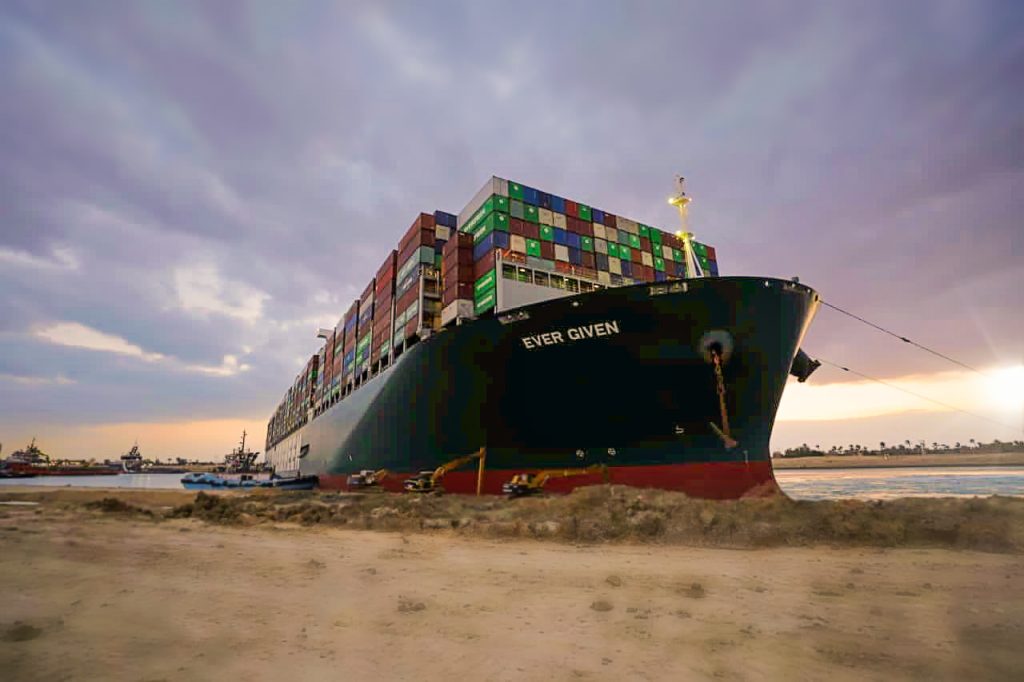
On March 29th, 2021, The Ever Given containership was dislodged after blocking the Suez Canal for nearly a week. Ever Given

The Suez Canal, which offers vessels a direct route between the North Atlantic and northern Indian oceans via the Mediterranean Sea and the Red Sea, suffered a blockage which resulted in a congestion of an upwards of 422 ships.

The rescue operation, which required extensive dredging and tugging operations, gained huge global attention with each day that passed, as ships from around the world, carrying vital fuel and cargo, were blocked from entering the canal during the crisis, raising alarm over the impact on global supply chains.


To learn more about SiShips, or to view a demo of our software, contact us today.

0 Continue Reading →

Ever Given Dislodged from Suez Canal

After Days of Suffering a Complete Blockage, The Suez Canal is No Longer Harboring a Ship Across its Waters

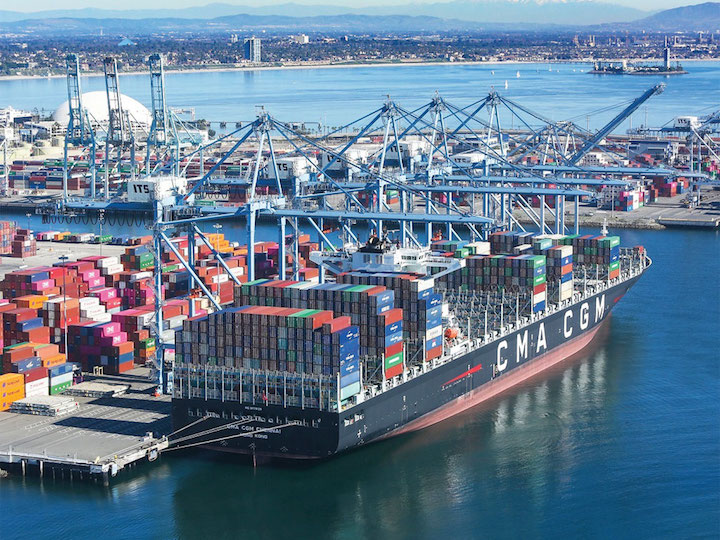
The Ever Given containership was dislodged this morning and is now once again floating in the right direction. Tug boats worked hours to get this ship freed from the canal, but it was with the help of high tide that the ship was finally freed. It is now being towed towards Egypt’s Great Bitter Lake, where it will undergo an inspection.

Ever Given dislodged from Suez Canal

“The outcome of that inspection will determine whether the ship can resume its scheduled service. Once the inspection is finalized, decisions will be made regarding arrangements for cargo currently on board,” charter company Evergreen stated. 

Effects Will Be Felt for Months to Come

Though the ship is now free, the effects from this misfortune are expected to last for months. Supply chain disruption and capacity cuts are expected even after the reopening of the canal.  

During the 6 days of this crisis, ships were rerouted around Africa to Europe and even through Panama to the US East Coast to avoid this blockage. The timing of this situation could not be worse due to extremely high shipping demands

“Companies should expect the Suez blockage to lead to a constriction in shipping capacity and equipment, and consequently, some deterioration in supply chain reliability issues over the coming months,” Caroline Becquart, senior vice president and head of Asia and the 2M Alliance service network at Mediterranean Shipping Co. (MSC), said on Saturday. 

“Unfortunately, even when the canal re-opens for the huge backlog of ships waiting at anchorage this will lead to a surge in arrivals at certain ports, and we may experience fresh congestion problems. We envision the second quarter of 2021 being more disrupted than the first three months, and perhaps even more challenging than it was at the end of last year.”

Backlogged Vessels Will Lead to Global Shipping Impact

Maersk stated that the goal will be to have shipping run continuously once the canal is reopened. However, the backlogged vessels from the past week alone will take anywhere from three to six days to pass through the canal. 

“It is evident that such an amount of capacity absorption will have a global impact and lead to severe capacity shortages. It will impact all trade lanes, as carriers will seek to cascade vessels to locations where they have the greatest need,” stated Sea-Intelligence.

Journeys Continue Along Suez Canal

Since being freed of its blockage, ships have now begun to pass through the Suez Canal. This is an incredibly busy route, with an average of 51.5 ships passing through the canal every day in 2020 according to the Suez Canal Authority. 


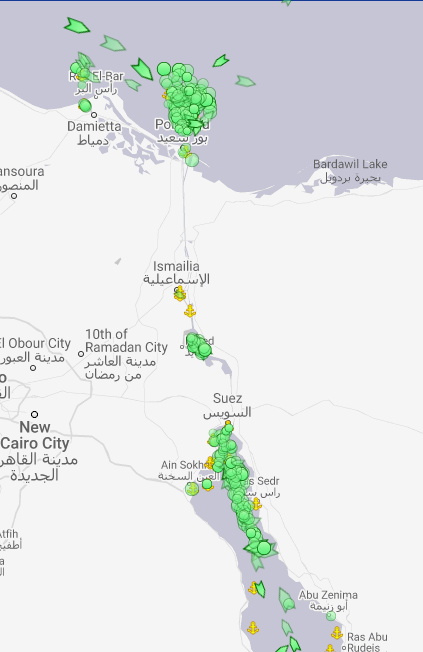
It’s stated that more than 350 vessels are waiting on both sides of the canal. The ship operators that decided to re-route their vessels around Cape of Good Hope have added over a week of sailing time and increased their fuel costs. 

Ships backlogged in Suez Canal

“As soon as the ship reaches the waiting place in the Bitter Lakes … the 43 ships waiting in the Bitter Lakes will begin to move south towards the Gulf of Suez,” a Suez Canal Official stated Monday. 

Ships will continue to journey through the canal, but containership reliability will likely fall in the coming weeks. 

How Sheltered International Can Help

When unpredictable situations occur, it is critical to choose the best possible company for your shipping needs. With Sheltered International we can ensure the quickest and most reliable options for your company when the current circumstances are not so reliable.


To learn more about SiShips, or to view a demo of our software, contact us today.
 

0 Continue Reading →

Following Cargo Loss ONE Apus Sets Sail

Months After Cargo Loss Due to Foul Weather, ONE Apus Embarks on Journey to Long Beach

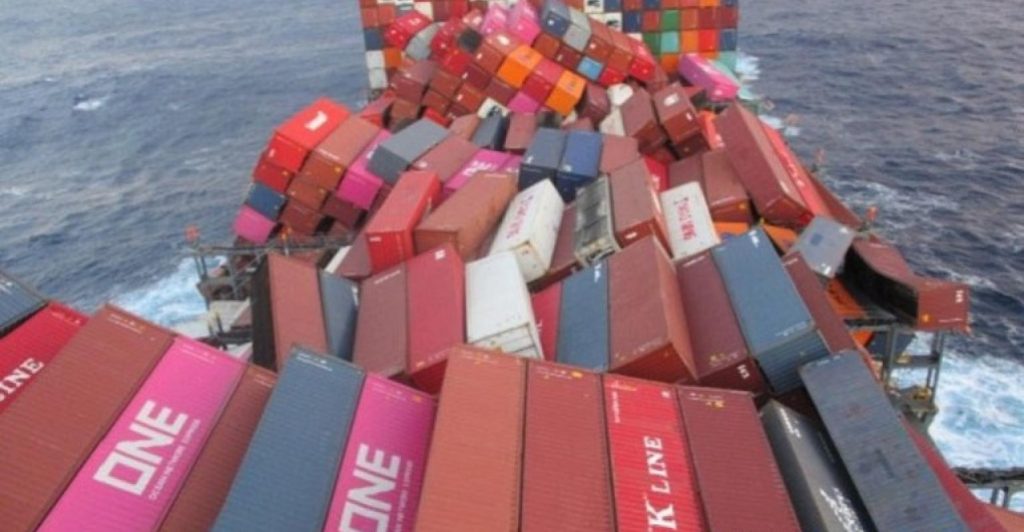
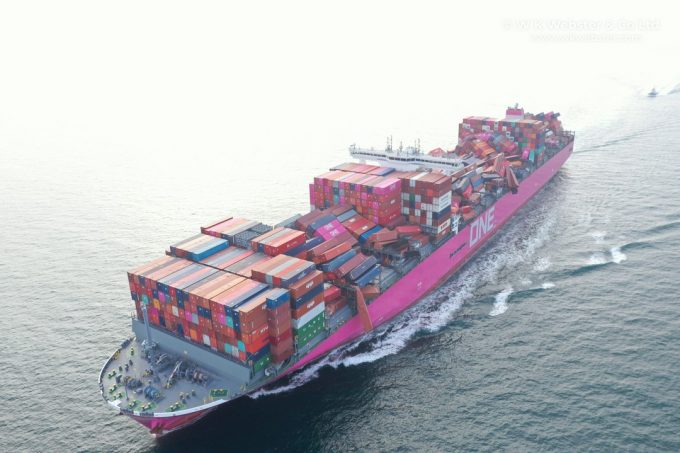
After departing from Kobe, Japan following a journey to remove hundreds of damaged and dislodged containers, the ONE Apus is expected to arrive in Long Beach, CA on or around March 30th. This journey stems from last year’s cargo loss during the ship’s trip from China to Long Beach, California, when an estimated 1,816 containers were lost overboard due to inclement weather. It was estimated that hundreds more collapsed on deck. 

One Apus

Photo courtesy of Seatrade Maritime

ONE Apus experienced massive swells and extreme winds about 1,600 miles off the coast of Hawaii in November of last year. Instead of continuing on its projected path to California, the 2019-built ship turned around and headed to Japan. ONE Apus arrived in Kobe on December 8th to receive repairs. The insurance claims from this loss of cargo are expected to be greater than $100 million.

Within a series of weather-related cargo losses on the trans-Pacific this past season, this incident was by far the worst. Ships have been packed nearly beyond capacity the last few months, due to the increased shipping demands.

Port Congestion Continues

Along with the increased shipping demands, extreme congestion at the ports of Los Angeles and Long Beach are still hindering the reliability of containerships. These delays will likely affect the arrival of ONE Apus – possibly not reaching the dock until as late as April 7, though expected to arrive much earlier.

The ONE Apus has been receiving repairs since its arrival in Kobe in December. As of February 26th, a total of 940 boxes had been discharged. The original plan was to carry as many of the original containers in good shape as the ship would allow, they have since stated that some of these containers may need to be loaded on different vessels to reach their destinations. 

One Apus

Photo by: W.K. Webster & Co Ltd

Why Cargo Insurance is Important

When situations like this occur, cargo insurance can help protect your shipment while it is in transit, even as it moves through different modes and carriers. Cargo insurance offers door-to-door coverage and will reimburse the full value of cargo lost or damaged due to circumstances outside of the carrier’s control. The two primary types of policies are generally All-Risk or Free of Particular Average (FPA); the policy that is chosen will determine the spectrum of situations covered.

All Risk Insurance is the most common type of policy and covers the broadest range of incidents.  Unless explicitly excluded in the policy, all events are covered.  These commonly excluded situations include nuclear events, strikes, and riots, as well as flaws in the goods such as inadequate packaging or decay.

On the other hand, FPA coverage, or ‘named-perils coverage’ is much more limited and excludes coverage on losses due to common causes such as heavy weather, rough handling, theft, and more. If you are shipping used merchandise or bulk goods this may be the only available option to insure your shipment. FPA coverage is also very common for marine insurance policies. 

Will ONE Apus Declare General Average?

It is not yet known if the ONE Apus will declare General Average.  General Average requires that the shipowner and its customers share a proportionate amount of the costs associated with saving a vessel after a major casualty. When General Average is declared, cargo owners are required to contribute funds even if they did not cause or sustain damage before cargo can be released.  Both FPA and all risk will provide coverage for General Average.

How SiShips Can Help

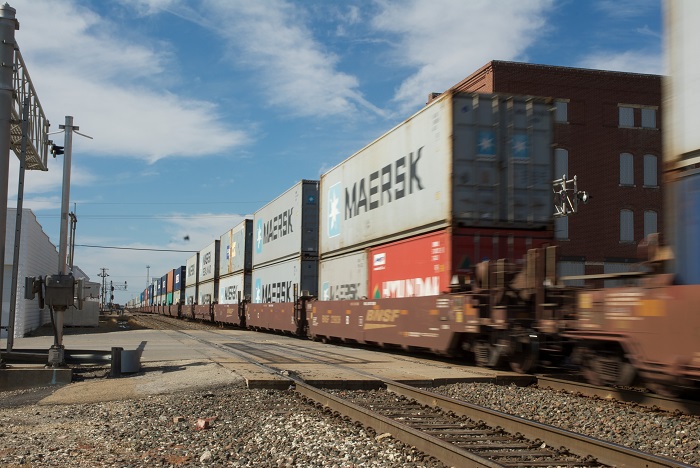
1,382 containers are lost at sea each year according to the World Shipping Council, making cargo insurance an extremely important part of protecting your business. Through our encompassing shipment-management software SiShips, we will find a policy that works for you.

To learn more about SiShips, or to view a demo of our software, contact us today.
0 Continue Reading →

The Biden Administration on the US-China Trade War

U.S. Trade Representative on the Trade War

US-China Trade War Biden Administration


All eyes are on President Joe Biden’s administration, and specifically newly elected U.S. trade representative, Katherine Tai, in anticipation of the United States’ next steps in the US-China trade war. Tai, confirmed at the end of February, made it clear that the administration is determined to achieve structural changes in China’s economy by “exploring all our options”. She intends to accomplish this through intentional systematic processes and a regulatory-driven approach. Tai exemplified these qualities during her confirmation hearing when she answered senators’ questions with control and displayed her understanding of what needs to be accomplished.


What has the Biden Administration Accomplished?


Thus far, the Biden administration has made no changes to tariff structures. However, Biden did sign an executive order in February to examine global supply chains in four key industries that were greatly affected by the COVID-19 pandemic and simultaneously the U.S.-China trade war. The industries include computer chips, large-capacity electric vehicle batteries, pharmaceuticals, and critical minerals in electronics. 


This marks Biden’s first and formative action surrounding his administrations’ supply chain strategy. The 100-day government review is clearly intended to understand the past and avoid repeat mistakes in the future. Mistakes including but not limited to shortages of personal protective gear, shipping containers, and other essentials. The equally critical goal of the review is to discern to what degree industries are at risk and, eventually, how to move suppliers out of potentially vulnerable situations.


Biden is seeking to hold himself to the campaign pledge of investing in America while also attempting to secure goods from friendly nations. One of the ways the administration has supported domestic production in their first few months has been to award a $30 million contract to Australia’s Lynas Rare Earths for the construction of a processing facility in Texas. Additionally, Biden said he would seek more diverse domestic production, maintain a reserve of goods and materials, and positive partnership with allies.


How does the Review Reflect the Biden Administration?


While the comprehensive review does not promise imminent resolution of the trade war, it has set the precedent that the current administration has a definite sense of urgency to face the supply chain challenges that have been exacerbated due to the COVID-19 pandemic. Undoubtedly, there is no short-term solution for these struggling industries but the Biden administration believes the first step to recovery is through internal reflection and securing supply chains to reduce dependence on China. 


To learn more about SiShips, or to view a demo of our software, contact us today.

0 Continue Reading →

Congestion Clear Could Start Spring for Los Angeles-Long Beach

With Near-Record Container Volume Reached LA-LB Ports Could See a Clear as Soon as April


Even with improved productivity last month, the ports of Los Angeles and Long Beach are facing backlogs and extreme terminal congestion that they believe will continue well into spring. This congestion has been ongoing for the last 6 months. 

The near-record container volumes they are experiencing are expected to go into the spring but terminal operators are hopeful that the vessel backlogs will return to near normal rates between April and June. 

COVID-19 Effects Linger

To be able for these ports to begin fluidly functioning again, there must be a focus on widespread COVID-19 vaccine distribution among longshoremen. Due to the spreading of the virus within this port, they have been suffering from labor shortages. Resulting in the congesting of these ports. Terminals have seen a large drop in container volumes in the past month, hopefully allowing a move of the current backlog of containers. 

“Terminals are full. There’s nowhere to put the containers. We’re 35 percent below what we normally do on deliveries (on trucks)” Ed DeNike, president of SSA Containers stated. 

shipping delays

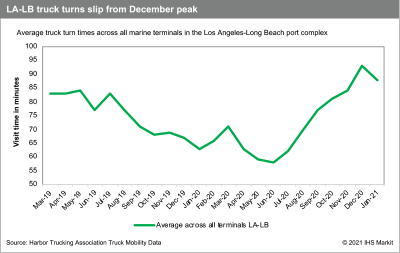
January average truck time visits dropped roughly by 5 minutes from the December average of 93 minutes, as shown in the graph. In June, before the import spike, truck times were at an all-time low of only 58 minutes according to Harbor Trucking Association. 

The backlogs in Los Angeles- Long Beach are responsible for ships being forced to anchor while they await berths to be unloaded. In the first week of February, there was a total of 34 ships anchored waiting to be unloaded while all berths were occupied. 

“The longer containers stay at a terminal, the more congestion they create. Congestion creates the need for extra and unproductive moves when containers pile up more than they should,” said Jessica Alvarenga, PMSA’s manager of government affairs.

Employee Shortage and Increased Shipping Demands

Much of this congestion comes back to the main cause, the COVID 19 pandemic. The labor force has been hit hard in the Los Angeles-Long Beach area. According to the Pacific Maritime Association (PMA), there have been around 600 known cases documented since December. This combined with increased shipping demands has decreased timely productivity extensively.

The employees who are responsible for unloading and loading the containers from the ships have been hard to keep fully staffed. This position is essential to the timely flow in and out of terminals. The daily assignment of workers throughout the ports has had to be decreased. Finding employees for these positions is difficult since they require a certain skill set. 

“It comes down to a labor issue at the terminals,” said Scott Weiss, vice president of business development at Port Logistics Group. “There are still bottlenecks in getting containers into and out of the terminals,” stated Weiss. 

Recovery Expected for Spring

Many well-established companies within the shipping industry believe hope is on the horizon. 

Scott Schoenfeld, general manager of Fenix Marine Services in Los Angeles believes “there could be congestion relief as early as April.”

With thoughts of a spring recovery on the mind, it is very plausible things could begin moving at an even more efficient pace than what has ever been seen before. Understaffed and highly congested these ports are still able to move ships in and out. Once staffing and import demand returns to normal, the system could move with ease.

“Drayage capacity is tight and worker availability is challenged at both ends of truckers’ routes, the marine terminals, and the distribution warehouses. However, workers will return in larger numbers when they feel it is safe to do so,” said Weston LaBar, CEO of the Harbor Trucking Association.  

“The single biggest thing we can do is vaccinate,” LaBar said.

How SiShips Can Help

We know the freight forwarding industry is consistently changing right now. We’re here to help you stay on top of new rates, deadlines, and more, so you can be confident you’re always receiving the best option available for your business.

To learn more about SiShips, or to view a demo of our software, contact us today.


4 Continue Reading →

Reliability of Containerships Drops to New Lows

Understanding the Effect of Tradeline Congestion on Containership Reliability

2020 disrupted the global supply chain in unpredictable ways and it appears 2021 has begun to follow suit. Containership reliability numbers have plummeted causing average shipment delays to increase. Within this post, we will discuss the cause and spread of this decline to ensure you understand the possible delays in current shipping schedules. 

A Sharp Decrease in Reliability 

During the last half of 2020, there was a widely apparent decline in the reliability of containerships arriving on-time. For the last 5 months, the reliability steadily declined to the lowest it has ever been reported since the benchmark was introduced by Sea Intelligence in 2011. In December of last year, it was reported that under half of the vessels had arrived on their scheduled arrival date whereas, during 2018 the same rate was well above 70%. Creating a significant drop in timely arrivals. In the year spanning from December 2019 to December 2020, the on-time arrival rate had a decline of over 30%. With these numbers, containership arrivals are more unpredictable than ever. 

Tradeline Congestion Causes Reliability Decrease

The surge in demand that was brought on by a global lockdown has flooded ports worldwide and the capacity of significant tradelines has been reached. This congestion results in a slowing of all containership arrivals. Sea Intelligence Consulting chief executive Alan Murphy warns that “With continued widespread port congestion, and with carriers still not letting off capacity-wise (especially on the major trades) shippers might not see improving schedule reliability until the second quarter of 2021.” Meaning these delays will be present well into this newly began year. 

The Spread of Reliability Decline Across Carriers 

This decline is apparent across all carriers’ reported numbers for the last half of 2020. Within this time frame, there was not a single documented carrier that managed to improve their year to year reliability. Along with the decrease in reliability, comes a greater occurrence of vessels arriving later than expected. A vessel’s current average delay is reported to be around 5-6 days, as compared to last year’s average delay of about 4 days. Currently, within the US the decline in reliability is at its lowest. There is roughly a rate of less than 1 in 3 for containerships avoiding delays. 

How Sheltered International Can Help  

With these unpredictable declines, there is no time more critical than now to choose the best possible company for your shipping needs. With Sheltered International we can ensure the quickest and most reliable options for your company when current circumstances are not so reliable. 

To learn more about SiShips, or to view a demo of our software, contact us today.

0 Continue Reading →


Recent Comments by Sheltered International

    No comments by Sheltered International