Sheltered International, Author at SiShips - Page 7 of 13

Skip to Content

Weakening Markets Lead to Trans-Pacific Rate Drops

Recent Posts by Sheltered International

Weakening Markets Lead to Trans-Pacific Rate Drops

Trans-Pacific Rate Drops Expected to Last Through End of Year

After generating record-breaking profits during the pandemic, shipping companies are feeling the squeeze of recent inflation. Container carriers are planning on blanking nearly 700,000 TEU in the month of October. Carriers are looking to entice customers back with lower rates. This appears to be one of the best times in recent memory for those looking to transport products internationally, especially between China and the United States.

These trans-Pacific rate drops are not entirely unexpected. The rates that began rising to unimaginable heights during the pandemic stemmed from mostly situational factors. China’s aggressive zero-Covid policy led to shutdowns of their largest ports in Shanghai. This created backlogs which shifted to the ports of Long Beach and Los Angeles, among others. Protests from truckers over vaccine mandates and union regulations led to more delays. However, as the impact of coronavirus has lessened, the economy has been able to work through those issues. Even last month when it appeared a railroad strike could cripple the supply chain again, President Biden stepped in to keep the wheels moving. 

trans-pacific rate drops jacksonville freight forwarding managed transportation railroads air long beach los angeles savannah

Decrease Imports Lead to Trans-Pacific Rate Drops

The biggest factor in the trans-Pacific rate drops is a decreased number of imports. Inflation has led many Americans to tighten their belts and reduce spending on physical goods. Experts forecast growth as little as 7% in the retail sector, and only 1% when adjusted for inflation. This is the smallest year-over-year growth in the last decade and stands in stark contrast to last year’s growth of nearly 15%. 

Retail is not the only area where imports are shrinking. The U.S. Energy Information Association reported that U.S. crude oil imports were down 500,000 barrels per day from the previous week. Exports, however, continued to rise. Russia’s continued aggression in Ukraine, worsening the energy crisis in Europe, has exacerbated global inflation, as well. 

Increased Space in Domestic Ports

A side effect of diminished imports is the backlog of ships in the ports of Los Angeles and Long Beach has been almost completely eradicated. “Container ships have basically returned to normal,” said Kip Louttit, Executive Director of the Marine Exchange of Southern California. “The remainder of the nine in the backup are 50 to 150 miles offshore.” The ability to manage the congestion is a combination of strict management of arriving ships and support from other ports. 

trans-pacific rate drop rates ocean pacific freight shipping The increased capacity of west coast ports has helped to lower rates. Container ship dwell times and truck turn times have both decreased. While blank sailings compared to this time last year have increased, “This does not necessarily indicate a major trend change,” Adam Szabo, a shipping analyst for Sea Intelligence, told JOC.com. “It may just very well be that carriers do not announce or indicate many blank sailings so far ahead.” Either way, the current drop in rates provides an interesting opportunity for international business.

Railroad Rates also Down

Once goods have reached the United States, they are finding even cheaper rates for domestic transportation at the moment. Union Pacific Railroad is reducing their rates from Southern California and J.B. Hunt Transport is forgoing their peak season surcharges. This is not a decision transporters take lightly, as surcharges were as high as $5,000 per container this time last year.

The decrease in railroad rates can be attributed to several factors. First, the weakening consumer market is creating less demand. This works in conjunction with the slowing of imports from China and other countries. Second, the lower rates appear to be a step for railroads to become more competitive with trucking rates. 


How SiShips Gives You the Advantage

Sheltered International combines expertise with state of the art software to bring you quality domestic and international shipping solutions. SiShips puts the shipper in control, offering efficient and cost effective ways to ship your product.

To learn more about managed transportation with SiShips, or to view a demo of our software, contact us today.


5 Continue Reading →

Tentative Deal Prevents Railroad Strike

President Biden Steps In at 11th Hour to Forestall Railroad Strike

Late at night on Wednesday, September 14th, President Biden intervened in deadlock negotiations between railroad companies and their workers. Biden, a long time supporter of America’s rail system, has been keeping a close eye on this contract dispute over the summer. The executive branch originally flexed its power back in July, amid fears that a railroad strike could cost the economy $2 billion per day. Now, following a marathon negotiation session, both sides have made a tentative agreement. The railroad brotherhoods will vote on Thursday, September 22nd, to either accept or reject the terms.

Major disruptions were expected, even leading to Amtrak preemptively canceling service on passenger lines, ahead of the deal announcement. The possibility of a railroad strike has been delayed, and possibly avoided.

What Does the Railroad Deal Include?

After 20 hours of negotiations and a phone call from the president, the current contract includes:


  • Voluntary assigned days off and one additional paid day off
  • Guaranteed time off for medical appointments
  • No disruption to current health care plans
  • Immediate wage increase of 14% and 24% over the next five years
  • Annual lump sum bonuses of $5,000


Unions had originally asked for 15 paid sick days, but this was rejected.

Demand for Voluntary Days Off

Despite headlines leading up to the potential strike focusing on the pay of railroad workers, the real sticking point was sick leave and voluntary days off. Up until now, railroad workers did not have any sick leave or guaranteed time off. In fact, union members are either working or on call 335 days per year. When on call, workers are expected to report within two hours, if needed.

Union representatives had blasted these working conditions as inhumane. The Brotherhood of Locomotive Engineers and Trainmen (BLET) issued a statement that “these policies are destroying the lives of our members.” Following multiple years of record breaking profits for the transportation and shipping industries, union members felt confident in their negotiation position. They shared anecdotally on Twitter that their “savings will last longer than the rest of the economy if we strike.”

By Sheltered International

Published: October 10,  2022 at 4:00 pm

Railroad Strike at Center of Election
Season Showdown

The strongest fear among union members is their livelihood becoming a bargaining chip during an election season. While the vote begins this week, tallying the votes could stretch into October. That means a result could be announced perilously close to Election Day in November.

Twelve separate unions will be voting to ratify the contract; if a single one votes against the contract, negotiations will have to start again. On Wednesday, before Biden’s intervention, GOP Senator Richard Burr of North Carolina and Senator Roger Wicker of Mississippi put forth a joint resolution to force the union to accept the terms from the Presidential Emergency Board created by the Biden administration in July. This measure was blocked by Senate Democrats led by Senator Sanders of Vermont. However, Speaker Nancy Pelosi indicated at the time that if negotiations failed, Democrats would present a resolution to prevent a shutdown. Details of the bill were not announced.

How SiShips Gives
You the Advantage

Sheltered International combines expertise with state of the art software to bring you quality domestic and international shipping solutions. SiShips puts the shipper in control, offering efficient and cost effective ways to ship your product.

To learn more about managed transportation with SiShips, or to view a demo of our software, contact us today.

Related

1 Continue Reading →

Dispatch from Gen Con 2022

SiShips Hit the Floor at Largest Tabletop Game Convention

This past August, the Sheltered International team had the pleasure of attending Gen Con 2022 in Indianapolis. The 54th iteration of Gen Con was four days of gaming excitement, with a focus on pen-and-paper games, board games, card games, and more.

It was a particularly exciting time for us, as Gen Con presented a fantastic opportunity to get up close and personal with fans who order games and collectibles from all across the world. Many of our clients manufacture their products in Asia and attendees of Gen Con are a great representation of the final link in the supply chain.

battletech alpha strike mech con convention center inflatable entrance

History of Gen Con

The first Gen Con was held in 1968 in Lake Geneva, Wisconsin. Thus the name Gen Con, an abbreviation of “Lake Geneva Wargames Convention”. Some fans consider the first convention to have been held one year earlier at the home of Gary Gygax, the creator of Dungeons & Dragons. Either way, what originally began as a gathering of less than a hundred people has grown to become the largest tabletop gaming convention in North America, drawing over 70,000 unique attendees before the pandemic in 2019.

The World War I game Dawn Patrol (originally known as Fight in the Skies) is the only game to have been played at every single Gen Con. The air combat board game has developed a cult following over the years and it has become a tradition for attendees to play the game on the Saturday morning of the convention.

While the focus is on role-playing and strategy games, as Gen Con has grown, so has the scope of its vendors. Following the downsizing of video game convention E3 in 2006, Gen Con has invited video game developers to the Indiana Convention Center floor. 

Gen Con went international in 1990 when it was held in Sussex, England. Since then, cons have been held in Paris, Barcelona, Antwerp and even Queensland, Australia.

Vendors of All Sizes at Gen Con

One of the truly remarkable things about Gen Con is its diversity. Not only in the attendees, but in the vendors with packed merchandise booths and tables full of new and classic games. 

d20 dice rolls dungeons dragons catan d4 dice Vendors of all sizes are represented on the convention floor. Popular board game Catan (over 32 million copies sold), Dungeons & Dragons (the best selling game of all time), and Catalyst Game Labs’ new BattleTech: Alpha Strike (who brought an inflatable mech robot to the entrance of Gen Con 2022) are all at home next to small businesses introducing their homespun games for the first time. 

It’s never certain which game will be the next Catan or Dungeons & Dragons, but to reach the largest audience possible, all creators need reliable transportation management services.

Bringing the Global Supply Chain Home

It is an incredibly rewarding experience to view all of the products and merchandise on display at. To see the excitement on fans’ faces as they pore over pins, prints, and other collectibles makes the behind-the-scenes effort to join together the global supply chain all worth it. 

Fortunately, Sheltered International is on the cutting edge of technology that lets us bring the best shipping solutions to all of our clients, large and small. New satellite and deadline tracking features ensure vendors have their goods in time for conventions and the holiday season. Even better, our new mobile app puts the shipper in control at the tap of a finger. 


How SiShips Gives You the Advantage

Sheltered International combines expertise with state of the art software to bring you the highest quality domestic and international shipping solutions. With the world constantly changing, SiShips puts the shipper in control, offering efficient and cost effective ways to ship your product.

To learn more about managed transportation with SiShips, or to view a demo of our software, contact us today.

1 Continue Reading →

East and Gulf Ports Experience Supply Chain Bottleneck

Record Amounts of Cargo Lead to Delays in the Atlantic and Gulf of Mexico

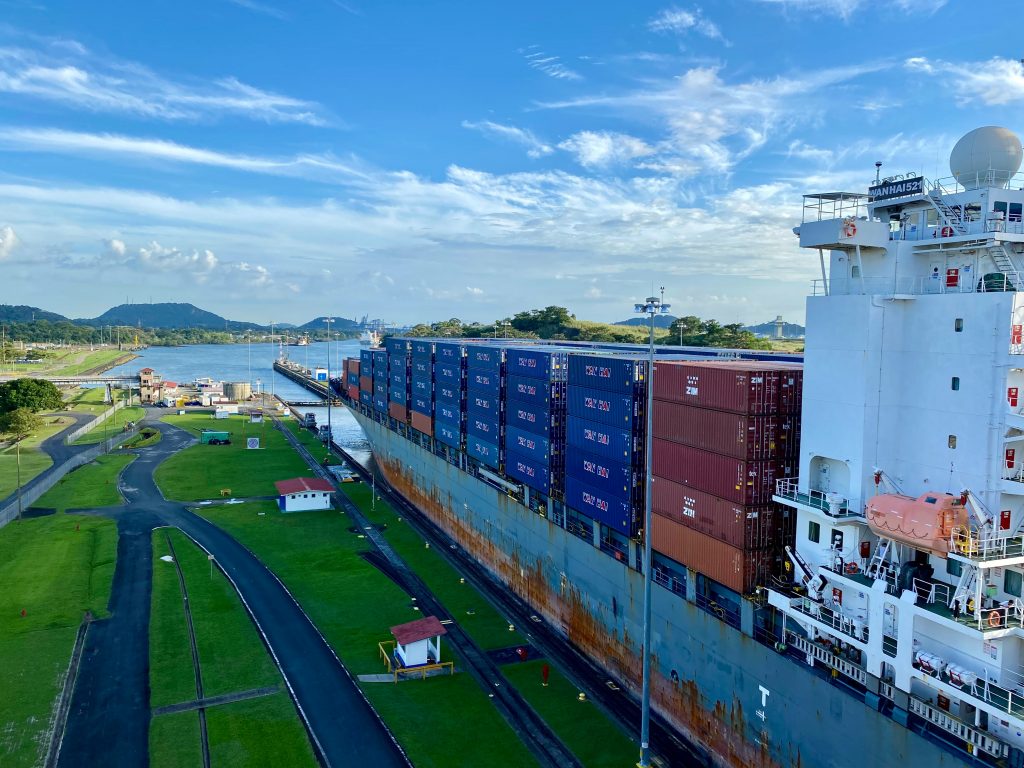
Backlogs of dozens of ships have reached the East and Gulf Ports. Shippers looking to divert their cargo from the highly publicized congestion in Southern California are finding similar supply chain bottlenecks in the eastern ports of New York, Savannah, and Houston. Manufacturers, carriers, retail and more are still discovering the residual effects of the past two years on the global supply chain.

The peak shipping season, coinciding with the upcoming holiday season is expected to bring challenges. However, experts forecast a slowdown soon after.

port empty containers fees fines backlogRetailers Preparing for Holiday Season
Retailers faced many difficulties over the previous two years. Managing inventory was one of the largest. In an effort to avoid empty shelves that ate into profits, orders for physical goods have been placed earlier than usual and in larger quantities. These dual factors have led to the traditional peak season of shipping to shift slightly forward into the summer months. 

Increased orders have also contributed to the record amount of cargo passing through domestic gateways. The Port of Savannah is seeing its busiest year ever. Savannah’s TEU volume year-to-date is already 7% above last year’s numbers—the previous record holder for busiest year. Savannah is accelerating construction on infrastructure projects and hopes to add nearly 2.5 million TEU of berth capacity by 2024. Unfortunately, this is of little immediate consequence to the 40 ships waiting off the coast of Georgia.

Shipments Diverted to East and Gulf Ports

A major reason for the extra cargo in eastern ports is related to the backlogs in Southern California. Last year, everything from Covid-19 regulations to trucker protests to energy crunches in Europe resulted in hundreds of ships just off the coast at the same time, waiting to enter the Ports of Los Angeles and Long Beach. Not only did this wreak havoc on shipping deadlines, fines were issued for containers that sat at the terminal for too long.

Additionally, freight forwarders have been keeping a close eye on the labor negotiations between the ports and the dockworkers union. President Biden stepped in when they failed to reach an agreement in July and postponed a potential strike until at least September. A federal arbitrator was appointed, but there is still a possibility of a union strike that would shut down west coast ports.teu union shipping dockworkers solutions biden freight forwarding

Hoping to avoid these issues, freight forwarders diverted shipments destined for the United States to East and Gulf Ports. Unfortunately, carriers are still faced with backlogs at the new ports. New York and New Jersey currently have over 200,000 empty containers sitting at their terminals. Apart from taking up space for new arrivals, the tight space also slows down the speed at which ships can be loaded and unloaded. Fines similar to those already in place in Southern California could be enacted elsewhere.

Bottleneck Solutions on the Horizon

The silver lining is the bottlenecks are not resultant of a failure at the ports themselves. There has not been a break in the last two years, which have seen record numbers across the industry. Ports are overwhelmed with cargo and simply do not have enough space. Some locations, such as Savannah, are finding extra land adjacent to or near the port as a temporary stopgap while they improve their infrastructure. Projects to dredge more land and build more cranes are ongoing. 

Lastly, it is possible we have already seen the peak of shipping this calendar year. With the holidays fast approaching, retailers have already placed their orders. Hints of this potential slow down have been seen in Southern California. Ports are extending their hours to prevent a further increase in backlogs and are receiving positive feedback from all involved.


How SiShips Gives You the Advantage

Sheltered International combines expertise with state of the art software to bring you the highest quality domestic and international shipping solutions. With the world constantly changing, SiShips puts the shipper in control, offering efficient and cost effective ways to ship your product. 

To learn more about managed transportation with SiShips, or to view a demo of our software, contact us today.

0 Continue Reading →

New Updates to Merchandise Processing Fees

Why You May Notice Different Fees on Your Invoice

Just in time for the upcoming holiday season, U.S. Customs and Borders Protection is modifying their fee structure on cargo. The new Merchandise Processing Fees, first announced on August 1st, 2022, will enter into effect on October 1st, 2022. Keep in mind that duty-free imports are not exempt from paying these fees.

As part of the Fixing America’s Surface Transportation (FAST) Act of 2015, the Secretary of the Treasury was given the power to adjust Consolidated Omnibus Budget Reconciliation Act (COBRA) fees in accordance with inflation. This decision is made by comparing the average Consumer Price Index from the previous year. If there is an increase of more than one percent, the COBRA fees must be changed, accordingly. These fee increases represent a small percentage of the whole, however, it is important to factor them in while budgeting and preparing calculations for shipments.

ocean cargo shipping freight forwarding u.s. customs inspection fees rates inflation

Notable Fee Changes

The full list of COBRA related fees is available at the Federal Register. For ease of use, we’ve highlighted a few of the fees you are most likely to encounter.

Important to note is the Merchandise Processing Fee rate will not change; it remains at 0.3464% of the cargo value. However, both the minimum and maximum have increased slightly. From the U.S. Customs and Border Protection notice, “The minimum will change from $27.75 to $29.66; and the maximum will change from $538.40 to $575.35.”

  • The Surcharge for Manual Entry/Release (class code 500) will change to $3.56
  • The Dutiable Mail fee (class code 496) will change to $6.52
  • The Commercial Vessel or Commercial Aircraft Passenger Arrival customs fee will change to $6.52 per passenger. Also, the Commercial Vessel Passenger Arrival (from exempt areas) customs fee will change to $2.29 per passenger.
  • The Commercial Truck Arrival fee will change to $6.50. The total single crossing fee will be $14.05, as the Commercial Truck Arrival Fee does not include inspection service fees (which are currently $7.55).


international freight forwarding fee structure increase shipping news

Are Any Imports Exempt from Merchandise Processing Fees?

While we mentioned that just because an import is duty-free that does not mean it is exempt from Merchandise Processing Fees (MPF), there are certain Free Trade Agreements that will waive the MPF. For example, the current Free Trade Agreement with Israel provides an exemption. Sheltered International will be able to help you work through and understand whether MPF will apply to your shipment.


How SiShips Gives You the Advantage

Sheltered International combines expertise with state of the art software to bring you the highest quality domestic and international shipping solutions. With the world constantly changing, SiShips puts the shipper in control, offering efficient and cost effective ways to ship your product.

To learn more about Merchandise Processing Fees and possible exemptions, or to view a demo of our software, contact us today.

0 Continue Reading →

Biden Uses Executive Power to Delay US Rail Strike

Possible US Rail Strike Averted by Creation of Presidential Emergency Board

Last week, President Biden created a Presidential Emergency Board via Executive Order to mediate ongoing labor disputes between railroads and railroad unions and prevent a US rail strike. This had been long expected to arrive before the drop date of July 18th, when a national strike would have taken effect. 

“I have been notified by the National Mediation Board that in its judgment these disputes threaten substantially to interrupt interstate commerce to a degree that would deprive a section of the country of essential transportation service,” wrote President Biden. Combined with shipping delays from Russia’s war in Ukraine, rising inflation, and international backlogs, a US rail strike would have pushed the domestic supply chain to the brink.

shipping yard depot train railroad union workers Reasons for Union Frustrations

The Brotherhood of Locomotive Engineers and Trainmen (BLET) are just one of the 13 unions involved in the national labor contract negotiations. The members of BLET voted 99.5% in favor of the strike. The reasons cited by the union range from lack of pay increases over the past three years to shrinking healthcare benefits and a blame on “bad faith negotiations” by the railroads themselves. 

Despite the supply chain issues, railroads have maintained its status as the most profitable industry in the United States. Workers blast the “corporate greed” of railways. “They just simply don’t want to share their record profits with their employees,” says Dennis R. Pierce, the national president of BLET. Unions are frustrated that a large portion of their workforce was furloughed due to the pandemic and have not been reinstated despite the fully restored cargo volume.

Additionally, workers are concerned about the concept of Precision Schedule Railroading (PSR). While railroads explain that PSR allows them to operate more efficiently, workers say that it is costing them jobs. This is not dissimilar to contract negotiations dealing with automation in west coast ports. 

Potential Impact of US Rail Strike

In short, a true strike would be absolutely catastrophic for the United States. Fortunately, the Railway Labor Act (RLA) has certain stopgaps in place to prevent such an event. Neither side of the negotiation table is keen on a strike occurring. President Biden was lauded by the Transportation Trades Department (TTD), another union involved in negotiations, following his creation of the Presidential Emergency Board. shipping logistics railroad railways union strike biden corporate greed

Most importantly, the RLA includes “cooling off” periods following strike votes that enable negotiations to continue before action is taken. A cooling off period occurred after the unions voted overwhelmingly to strike, which gave President Biden the opportunity to create the emergency board. The emergency board has 30 days to draft recommendations for both sides. This will be followed by an additional 30-day cooling off period. Now, the earliest potential for a strike is mid-September. 

While this has certainly given everyone some breathing room, if a strike were to occur it would now take place in the run up to midterm elections and the holiday season.

US Rail Strike Effect on Washington

This is not the first time in recent years that the president has had to intervene. President Obama was forced to act in 2011. During that time, the BLET was the first to authorize a walk out, if necessary.

While there is precedent, this new emergency board comes at a precipitous time politically for President Biden. Famously a booster for rail travel, flexing his executives powers has the potential to backfire ahead of the midterm elections. Alternatively, if the strike cannot be avoided, the political ramifications for President Biden and democrats in general would be calamitous.

Despite the frustrations of many rail workers, there is hope that a unified front by all 13 unions with the assistance of the president will lead to a satisfactory outcome for all parties. 


How SiShips Gives You the Advantage

Sheltered International combines expertise with state of the art software to bring you the highest quality domestic and international shipping solutions. With the state of the world in constant flux, SiShips puts the shipper in control, offering efficient and cost effective ways to transport your product. 

To learn more about managed transportation with SiShips, or to view a demo of our software, contact us today.

0 Continue Reading →

Chinese Shipping Rates Decrease

Multiple Factors Lead to Lower than Expected Shipping Costs

The anticipated rush of cargo following the recent reopening of Shanghai has failed to materialize. The Chinese city had been subjected to a months-long lockdown, the likes of which the west had not seen since the initial days of the Covid-19 pandemic. With business leaders like Elon Musk championing the economic and industrial might of Shanghai, a flurry of activity was expected to return the city to its full capacity. However, current economic hurdles have subdued demand. A positive side effect is a shipping rates decrease.

Shipping rates from China have decreased dramatically in the last few weeks. The dual threat of inflation and high gas prices leaves retailers expecting lower consumer demand and cutting back orders. Industry insiders are not expecting a pick up in demand until Q4 2022. The summer of 2022 is one of the best opportunities in the last several years for those looking to ship freight to and from China.

shipping port container containerships freight forwarding

High Gas Prices Lead to Conservative Spending

The historically high gas prices being faced by the United States and the rest of the world are the result of many different aspects, despite the desire of political commentators on both sides of the aisle to point a finger at singular issues.

While the United States received less than 10% of oil imports from Russia, the percentage was significantly higher in Europe. The economic blockade of Russia for their invasion of Ukraine is leading to an energy squeeze filtering from Europe to the entire world. As of the writing of this article, Saudi Arabia has been capping their oil production (although, a new report optimistically suggests OPEC+ might hike supply soon).

While there is the capability of digging new domestic and international oil wells, gas executives are hesitant to invest in long term projects with the expected rise of electric cars in the next decade and the recent memory of negative trading prices during the height of the pandemic. However, even experts are not prepared for the sky high trajectory of average gas prices. On June 14th, the New York Times reported the expected average price for the month of June 2022 was $4.59; less than a week later the average price was $4.98.

The demand for gas in America has only increased, following workers return to offices and the arrival of the summer driving season. Many Americans are opting for experiential vacations instead of physical goods having been cooped up inside. Consumers looking to tighten their belts have suspended home renovations and canceled subscription services. 

united states port shipping containers cargo rates gas prices energy

Bear Market Helps Shipping Rates Decrease

The other major factor driving down demand is the arrival of a bear market. Defined as a decline of 20% or more across the entire stock market, nearly every sector is suffering (with the exception of energy stocks). The drop is acutely felt by brands like Wal-Mart and Target in the retail sector. With pressure from shareholders to find cost cutting measures and consumer demand down, these retail giants are not placing the same level of orders from Chinese factories.

Ships looking to make up the gap are enticing other clients with lower rates through Q2 and Q3 2022. Any proactive companies will be able to take advantage of this unique situation after a fraught two years of lockdowns, port backlogs, and supply chain disruptions.  

How SiShips Gives You The Advantage

Sheltered International combines expertise with state of the art software to bring you the highest quality domestic and international shipping solutions. With the world constantly changing, SiShips puts the shipper in control, offering efficient and cost effective ways to ship your product.

To learn more about managed transportation with SiShips, or to view a demo of our software, contact us today.

0 Continue Reading →

Shanghai Reopens; Work to Lessen Backlog Begins

Resuming Full Production Not as Easy as Flipping Switch

Shanghai is lifting their extreme lockdown and not a moment too soon. While originally intended to be a two-phase lockdown lasting one week, the near total lockdown of Shanghai stretched to two months before being lifted on June 1st. Chinese citizens are relieved after a frightening and confusing time.

shanghai port china freight forwarding global supply chain biden putin ukraine lockdown China has enforced the most stringent restrictions worldwide since March 2020. The goal of reaching community zero-COVID has frustrated Shanghai, especially. Citizens who had been separated from family and basic needs were trapped by muddled messaging from the government. Amid positive trends in cases, “some Shanghai districts tightened restrictions on movement, and even in neighborhoods that met criteria for people to be allowed to leave their homes officials were ordering them to stay put,” as recently as Friday, April 22nd according to Reuters.

Signs of life returning to normal are evident across China, with even Hong Kong Disneyland reopening after an extended closure. However, the work to bring the world’s second largest economy back to full power is just beginning.

Truckers Hit Hard by Covid Restrictions

While the port of Shanghai officially remained open during the lockdown, it was far from operating at regular volume. The daily cargo volume hovered around 100,000 containers per day, down roughly 30% from the norm of 140,000 containers. Even the containers that made it through the port have piled up as truckers inside China face roadblocks and quarantines.

Some truck drivers were forced to remain for multiple days in the cab of their trucks due to the tight restrictions around Shanghai. After hearing horror stories from fellow truck drivers, some refused to travel. The lack of available truck drivers increased the amount of containers at the port and nearly doubled the cost of domestic transportation involving Shanghai.

Prognosticators say it could take weeks, or even months, for international shipping to return to normal.

shanghai china lockdown coronavirus zero covid government coronavirus cases breakout pandemic endemic shipping supply chainReopening Logistics Present Difficult Hurdle

The Chinese government is doing all they can to ease the stress of the present situation. This includes providing 80,000 Shanghai businesses based in government-owned buildings with six months free rent. Despite this and other incentives, it will take time for the city to ramp up to full capacity. Goods and materials being delivered to Shanghai were nearly stopped completely during the strict lockdown.

“Shanghai is coming back with a vengeance,” predicted Tesla CEO Elon Musk during an earnings call on April 20th. The Tesla plant in Shanghai, known as Gigafactory, restarted production after a 3 week long disruption the day before. Gigafactory workers are taking multiple Covid tests each day while living and working entirely within the factory premises. Tesla was one of the first factories to resume full production during the shutdown.

Tesla remains susceptible, like every other automotive company, to the semiconductor shortage that has plagued the globe for the last two years. Most factories in Shanghai, while no longer lacking workers, do not have enough materials to operate. They are waiting for the trucking apparatus to fully restart and remove the backlog from ports. 

The dominoes of the global supply chain have been knocked down, but with the help of easing restrictions in China they are slowly being set back up.


How SiShips Gives You The Advantage

Sheltered International combines expertise with state of the art software to bring you the highest quality domestic and international shipping solutions. With the world constantly changing, SiShips puts the shipper in control, offering efficient and cost effective ways to ship your product.

To learn more about managed transportation with SiShips, or to view a demo of our software, contact us today.

0 Continue Reading →

WHO: China’s Zero-Covid Policy is Not Realistic

Omicron Variant Causing New Challenges for China’s Zero-Covid Policy

Over the past two years, the world has alternatively applauded and criticized China for its approach to handling the coronavirus pandemic. During the peak of the outbreak, 960 million people were living under some form of lockdown when China first instituted their “zero-COVID” policy. The tough regulations were viewed as a success when restrictions were lifted after five months in May 2020. Individual cases were met with swift action, including shutting down Shanghai Disneyland for two days last November after a single guest tested positive for COVID-19. However, as Shanghai approaches two full months of a strict lockdown in the spring of 2022, it is becoming increasingly clear a zero-COVID policy is unsustainable with the Omicron variant.


Tedros Adhanom Ghebreysus, the Director-General of the World Health Organization, noted during remarks last Tuesday that the virus is drastically different from the original variant identified in Wuhan. “We know the virus better and we have better tools, including vaccines, so that’s why the handling of the virus should actually be different from what we used to do at the start of the pandemic.” Predicting the animus from China following his comments, Tedros added, “regarding their choice of policies, it is up to every country to make that choice.”

Global Balancing Act to Curb Omicron Transmission

Other members of the WHO have echoed support for Tedros’ comments. WHO Emergencies Director Michael Ryan recommended China reconsider its approach to curbing the virus and any measures to combat the spread must show “due respect to individual and human rights”. The WHO has acknowledged extinguishing COVID-19 worldwide is impossible. At the current moment, the focus is on lowering transmission and lessening the impact on society and the economy. “That’s not always an easy calibration,” continued Ryan.


President Xi of China has doubled down on the zero-COVID policy. The Chinese government has made it clear any critics will be punished.

WHO Chief Censored in China

China’s displeasure with the comments from the head of the WHO is apparent. Both the criticism of the zero-COVID policy and Tedros himself have been censored on popular Chinese social media sites Weibo and WeChat.


This comes as a surprising turn of events. The United States had initially criticized Tedros for his support of China’s extreme response to COVID-19. Then president Donald Trump went as far as to initiate the process of withdrawing the United States from the WHO. This decision was reversed by President Biden upon assuming the office. The United States has historically been the largest funder of the WHO.

Economic Fallout from China’s Zero-Covid Policy

Shanghai, China’s most populous city, is slowly making its way out of lockdown. Some shopping malls and markets have reopened. The next step is public transportation resuming operation for limited hours. There are several hundred cases being reported each day. However, this is significantly less than the tens of thousands reported during the peak of the outbreak.

Even if the Chinese government were to lift their domestic zero-COVID policy, the international forecast is not so good. Overseas travel, including freight forwarding, would likely remain severely hampered. The lack of a mass-vaccination program and drop-of-the hat lockdowns following Omicron-related cases has many companies reconsidering their presence in China.

By Sheltered International

Published : October 10 22,at 4:00 5pm

How SiShips Gives
You the Advantage

Sheltered International combines expertise with state of the art software bringing you the highest quality domestic and international shipping solutions. With the world constantly changing, SiShips puts the shipper in control. We offer efficient and cost effective ways to ship your product.

To learn more about managed transportation with SiShips, or to view a demo of our software, contact us today.

0 Continue Reading →

Labor Negotiations Underway with Dockworkers Union

Labor and Management Meet in San Francisco

The International Longshore and Warehouse Union (ILWU) entered contract talks this week with the Pacific Maritime Association (PMA). These labor negotiations come ahead of the July 1 expiration of the current contract and amid backlogs and delays in west coast ports like Los Angeles and Long Beach. Jim McKenna, PMA President and CEO, remains hopeful about the negotiations. “At this point in time,” says McKenna, “you have to be cautiously optimistic that we’re not gonna get into a strike scenario, but it’s early in the game.” Both sides have acknowledged the likelihood of talks continuing past the July 1 deadline, but that outcome does not necessarily mean a strike from the ILWU will take place. 

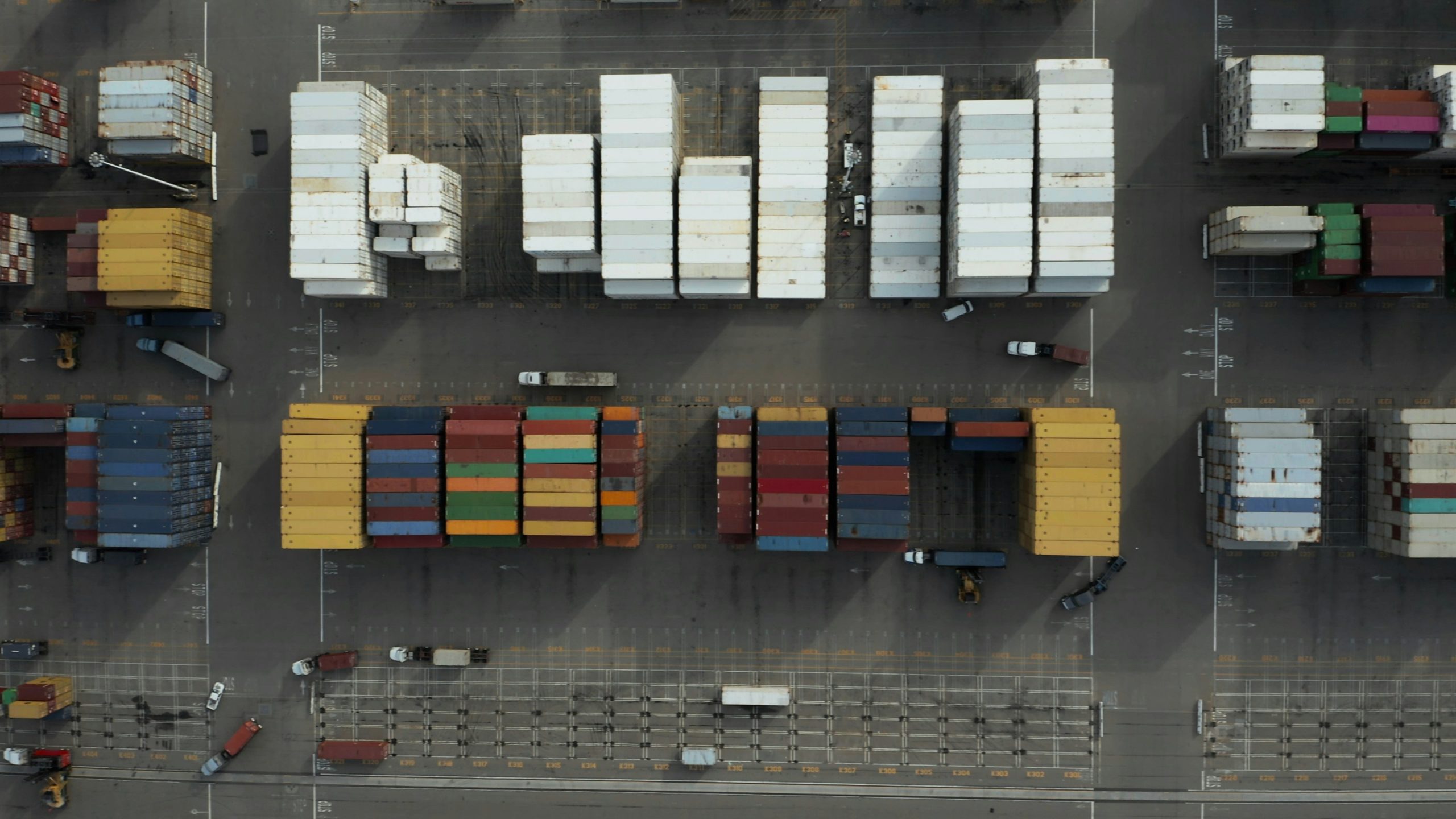
The biggest focus of negotiations is the right to automate ports. The ILWU stands in firm opposition to automation, something PMA has warmed up to following the pandemic. PMA feels that automation is the only viable solution to prevent future backlogs. The ILWU claims any automation of west coast ports will be the end of thousands of jobs for union workers. 

automation port terminal shipping united states domestic international imports exports

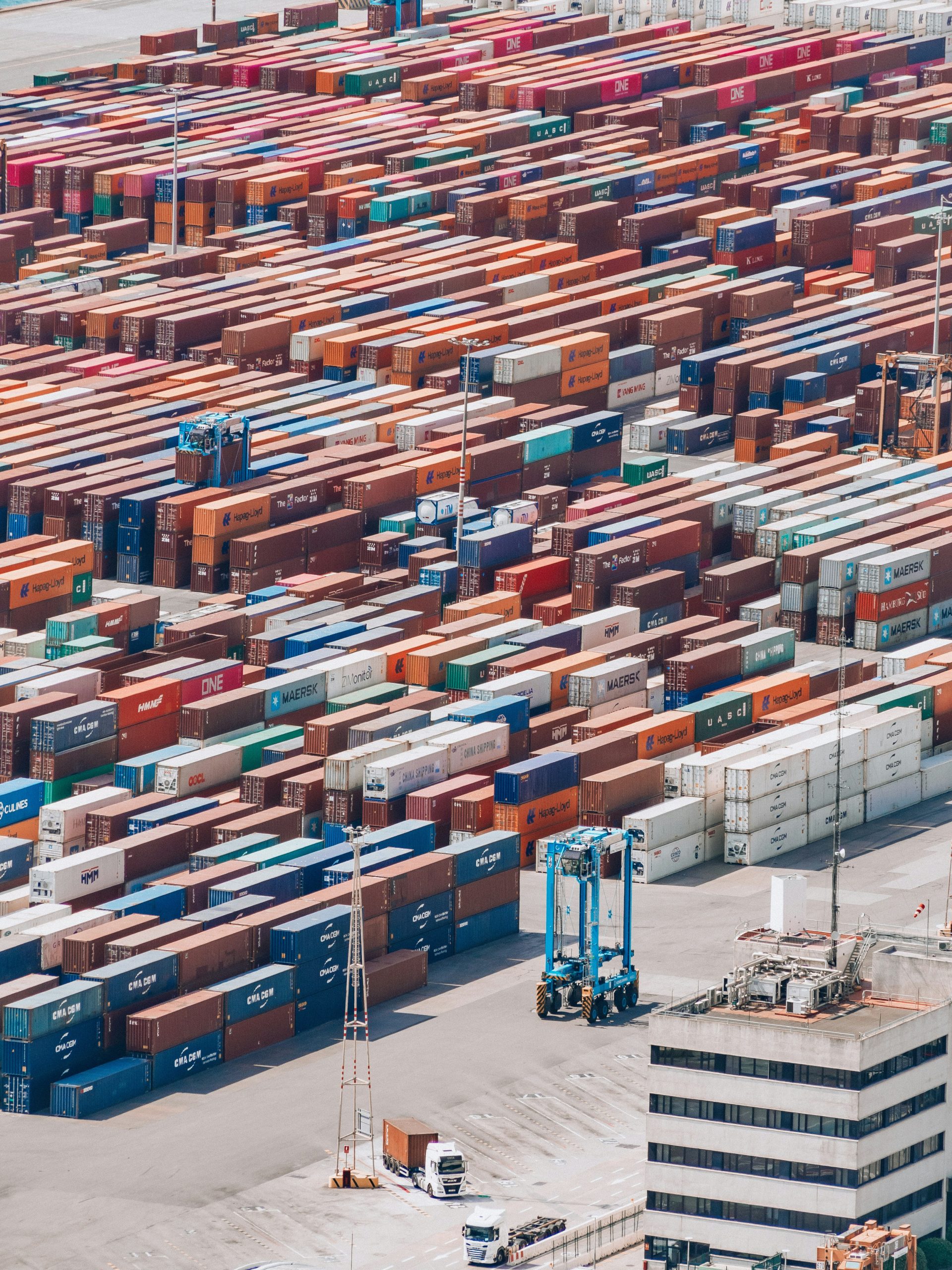
Photo courtesy of Chuttersnap via Unsplash

Labor Negotiations Testing an Already Fragile Supply Chain

The backdrop for these negotiations is, of course, the precarious state of the global supply chain. Shanghai, home to the largest port in the world, has been in a strict Covid-19 lockdown for over a month. Russia’s invasion of Ukraine has destabilized Eastern Europe and is leading to an increase in energy prices worldwide. Meanwhile, the ports of Los Angeles and Long Beach are still working through the backlog faced by Covid restrictions and transportation strikes in the United States.

The dockworkers have been a key part of the record profits for shipping companies during the pandemic. The 22,000 members of ILWU could be looking to flex some of their leverage. Past strikes have been crippling for the domestic supply chain, with 44% of global imports entering the United States from the 29 ports on the west coast.

Port Densification as a Sticking Point in Labor Negotiations

The core of management’s argument is automation is unavoidable. Major ports, like Los Angeles, are in urban centers without room to expand. Automation enables ports to grow up, instead of out. As the global population grows alongside disposable income, imports continue to rise and ports need a place to store containers before they are sent out on trucks and trains. Additionally, studies show the output of automated facilities is 44% higher than that of non-automated facilities.

The ILWU counters these claims by saying the rise in productivity at automated facilities has come at the cost of work in other locations. Based on the east coast, the International Longshoremen’s Association (ILA) support their west coast counterparts. The ILA has successfully limited terminal’s right to automate in their contracts. The U.S. Secretary of Labor, Marty Walsh, is monitoring the negotiations carefully and has stated he is willing to intervene if the supply chain is threatened by any potential outcomes. However, Walsh added he is not personally concerned there will be issues come July.

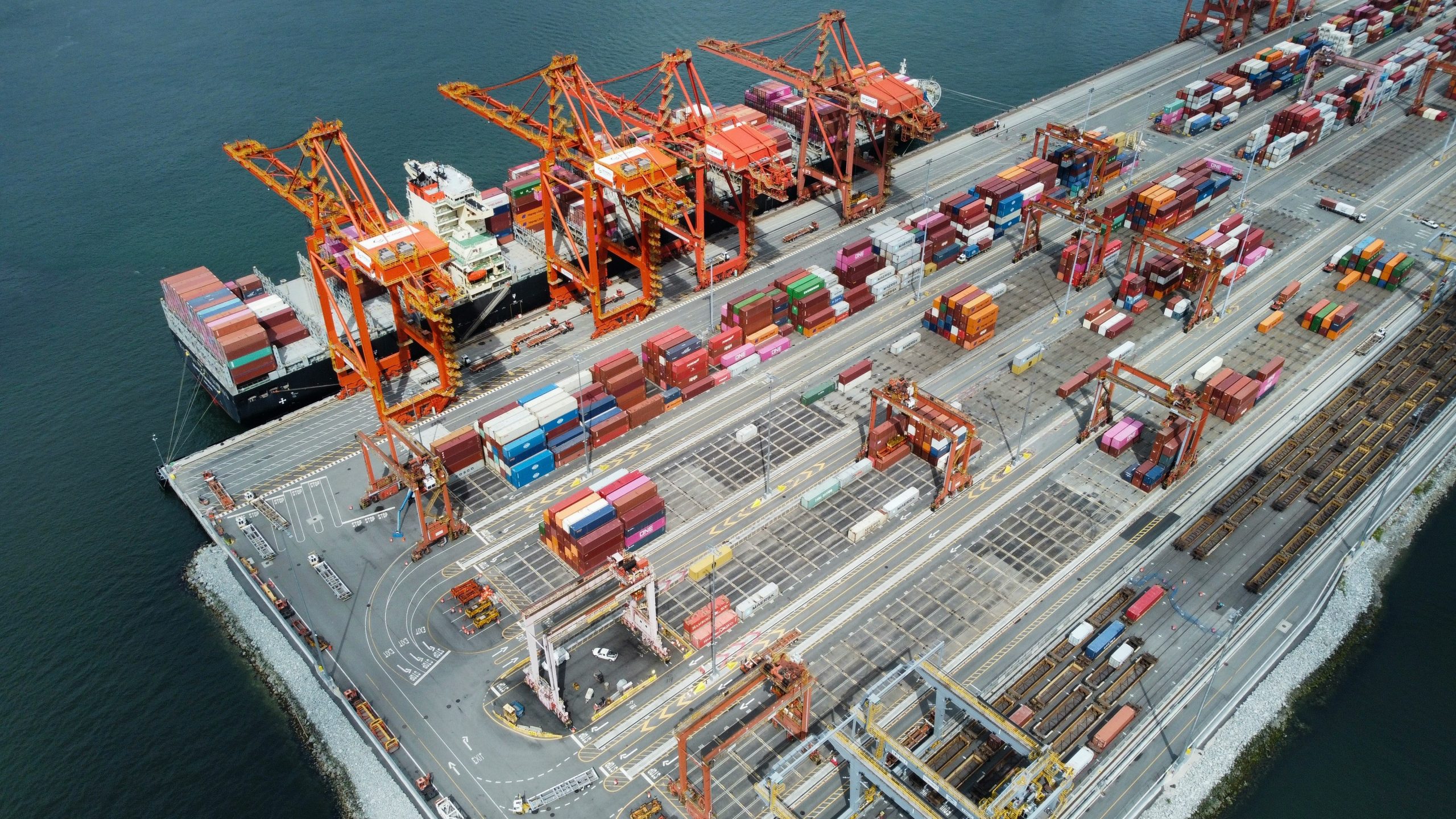
port shipping freight container ship boat international freight forwarding terminal west coast longshoremen dockworkers union negotiations

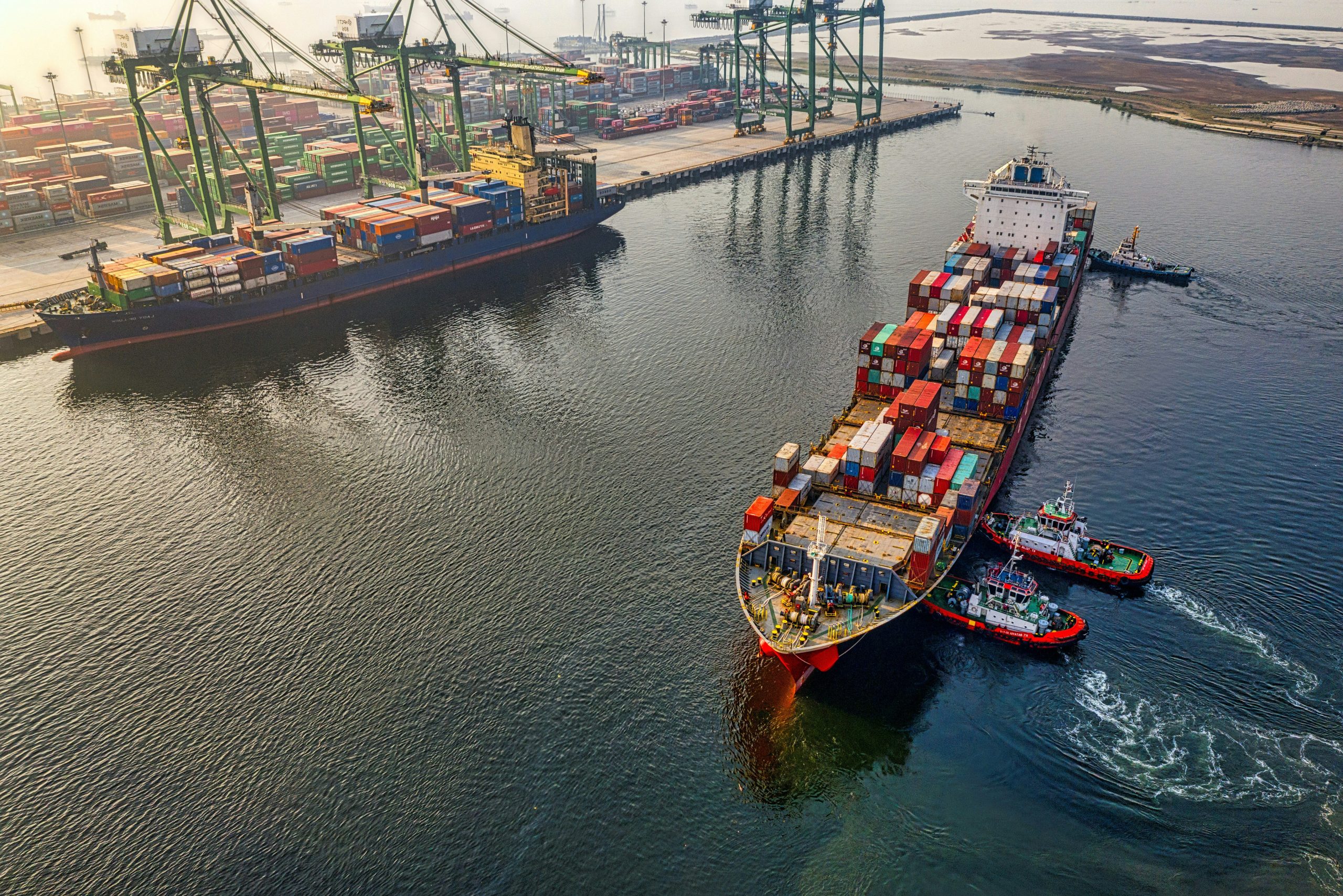
Photo courtesy of William William via Unsplash

Common Negotiating Ground on Growth

Both sides remain committed to the negotiating table and believe they will find a solution that works for both parties. The ports are at, and have been at, 100% capacity during the recent past. Terminals need to grow to accept more goods, which means more profit for management and more hours for labor unions. There are versions of a new contract where both sides benefit, it simply is a matter of finding that compromise.


How SiShips Gives You the Advantage

Sheltered International combines expertise with state of the art software to bring you the highest quality domestic and international shipping solutions. With the world constantly changing, SiShips puts the shipper in control, offering efficient and cost effective ways to ship your product.

To learn more about managed transportation with SiShips, or to view a demo of our software, contact us today.

1 Continue Reading →


Recent Comments by Sheltered International

    No comments by Sheltered International