Sheltered International, Author at SiShips - Page 9 of 13

Skip to Content

Shipping Companies Are Taking Advantage of Pandemic Profits

Recent Posts by Sheltered International

Shipping Companies Are Taking Advantage of Pandemic Profits

Increased Demand, Increased Profits

The global supply chain continues to be a mess. There are delays in ports around the globe and backlogs at every step of the way. Shipping costs are 20 times more per container than before the pandemic. However, expenses for shipping lines have remained relatively constant. This translates to one of the most profitable periods ever for a historically low-margin industry.

So, what are the world’s largest shipping companies doing with their newfound pandemic profits? A whole lot, it turns out. The industry leader, Maersk, is investing their war chest in every step of the supply chain. Other firms are diversifying their business by expanding into adjacent industries. The one thing they all have in common is an interest in shoring up their future before profits return to normal.pandemic profits maersk shipping cargo freight industry invest airbus airline supply chain

Investing Pandemic Profits in Shipping Lanes

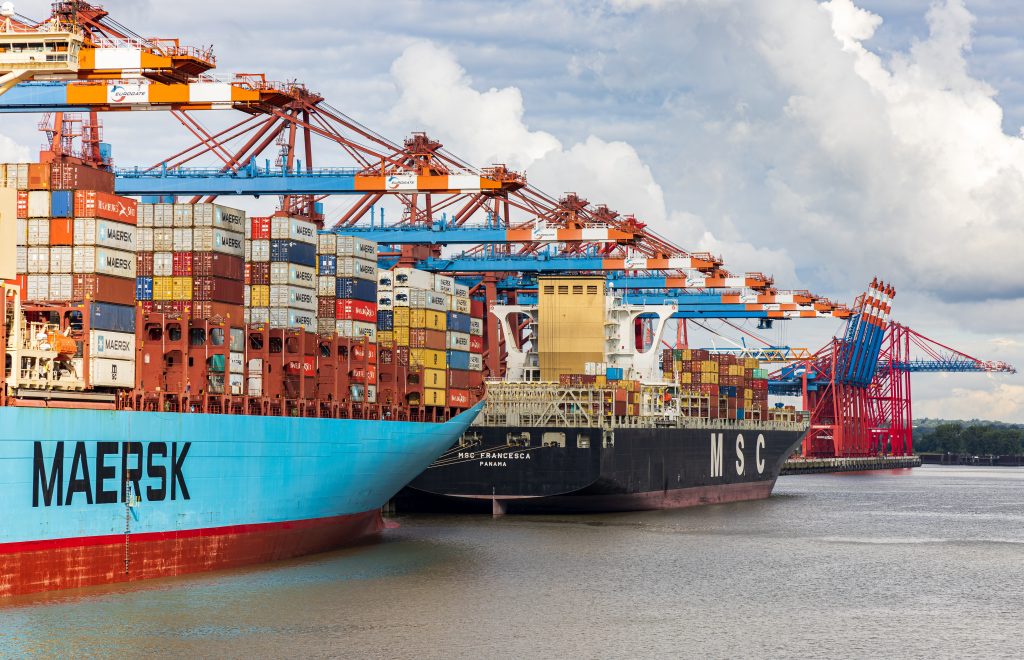
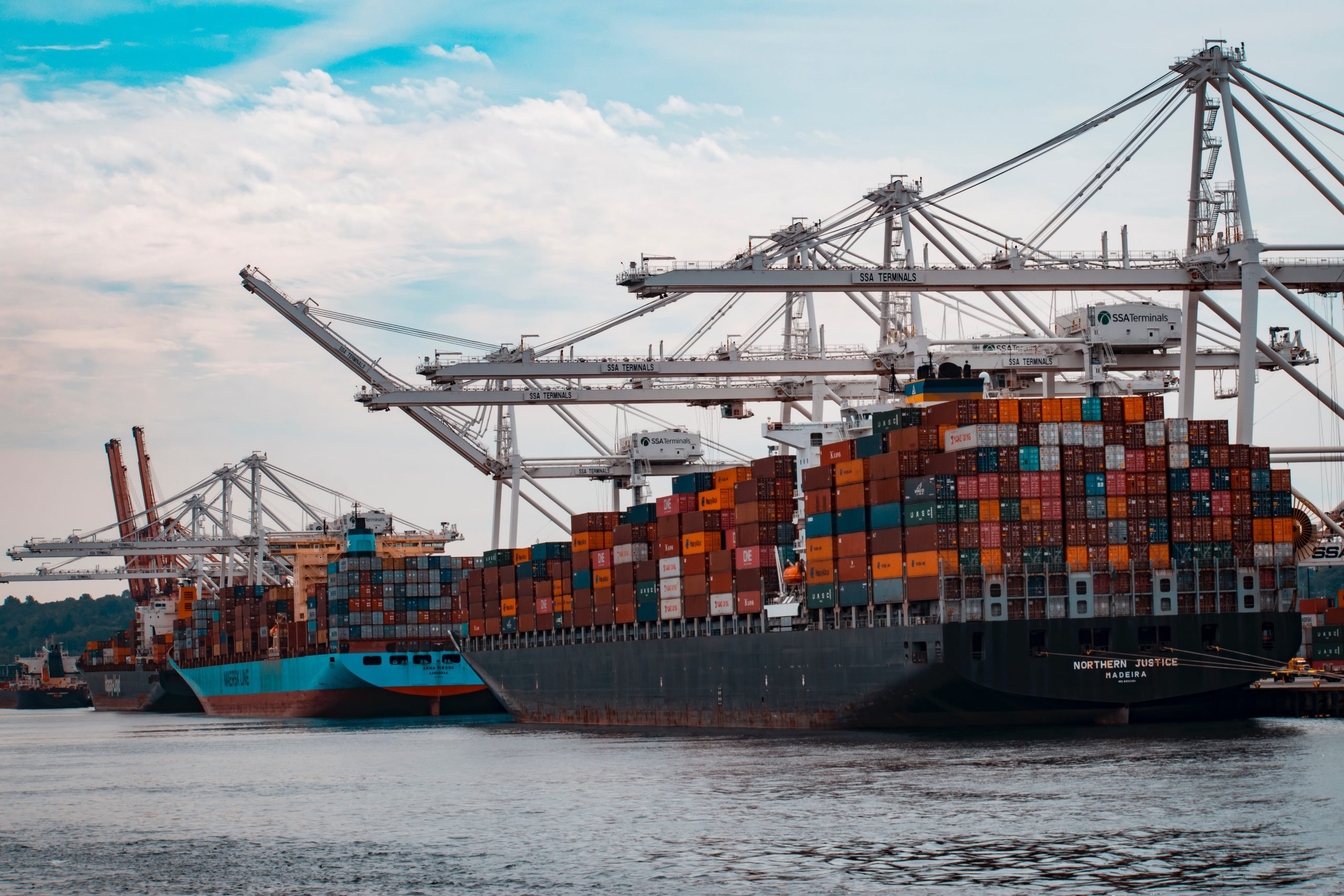
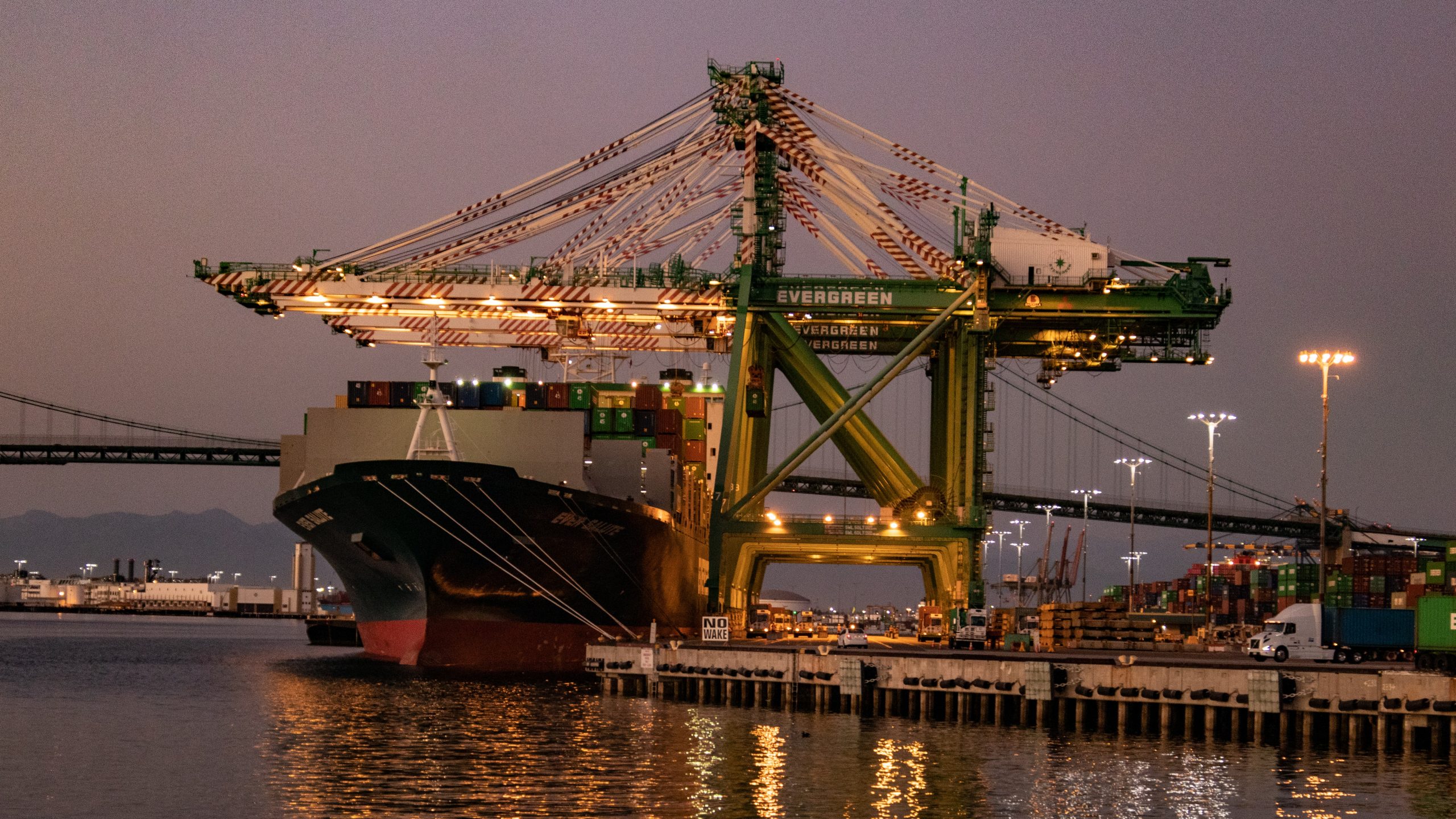
The Evergreen Group is doubling the size of their fleet after dropping $2.6 billion on 20 new ultra-large containerships; even the globally bad press from the Suez Canal blockage was not enough to sink this Taiwanese-based conglomerate. The privately held Mediterranean Shipping Company is taking advantage of their boost in profits to make one of the largest secondhand cargo ship purchases ever. They hope their addition of 60 secondhand cargo ships to their fleet will be enough to overtake Maersk as the largest shipping company in the world.

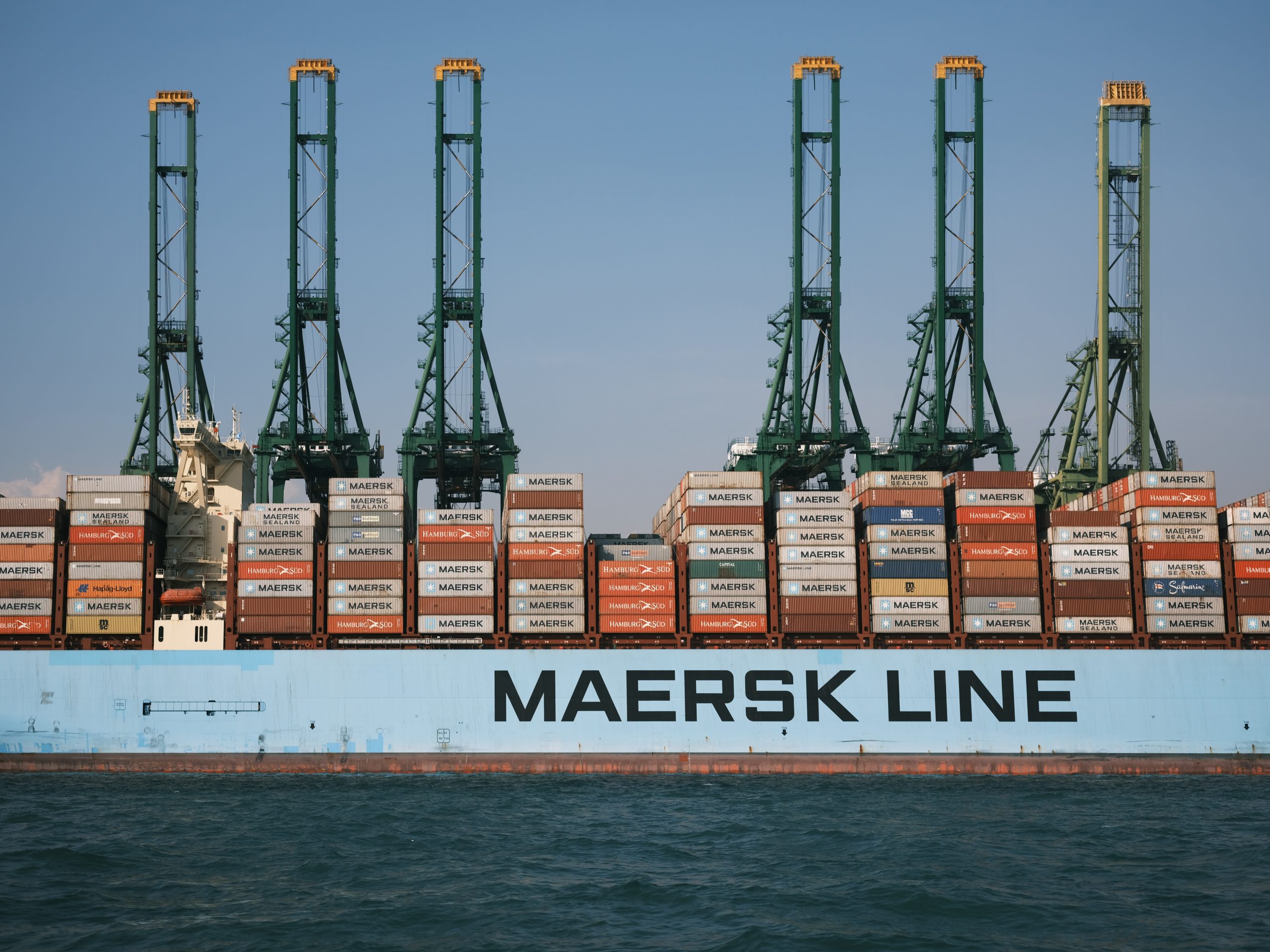
Speaking of Maersk, the Danish company is opting for quality over quantity with their fleet and ordering eight carbon neutral vessels to be delivered by 2024. Part of the draw of green vessels for Maersk is the zero carbon ambitions of their clients, like Unilever, Amazon, and Proctor & Gamble. CMA CGM echoes this philosophy with their $627 million spend on ice-breaking cargo ships that can travel the more environmentally friendly routes of the Baltic Sea.

Expanding Airline Fleets

Major shippers are taking “by land, by sea, by air” to heart and pouring money from their pandemic profits into increasing their air delivery capacity. CMA CGM has announced intentions to expand their airbus fleet with a purchase of four A30F freighters at the recent Dubai Air Show. This represents a further commitment to air from the French shipper by tripling the previous size of their cargo airline.

As mentioned earlier, Maersk is sitting no part of the supply chain out and that includes airfreight. Combined with leases and other company acquisitions, they have essentially doubled the size of their airline fleet since this time last year. The two new Boeing 777s, which will serve as the crown jewels of the fleet, are expected to be delivered by 2024.

pandemic profits maersk shipping cargo freight industry invest airbus airline supply chain

Diversifying the Shipping Industry

Part of many shipping companies’ plans for the future involve expanding their portfolios to keep profits on the rise, even when margins return to their typical pre-pandemic levels. Maersk is securing their future with the purchase of German-logistics expert and freight forwarder, Senator International. They are also capping off their shopping splurge with a $5 billion stock buyback.

Mediterranean Shipping Company has placed a large bet on their cruise division by ordering 12 new ships to be delivered from now until 2027. This purchase also includes the launch of a luxury cruise brand from MSC to set sail in 2023.

Finally, Hapag-Lloyd is taking a different approach from all of their competitors. Instead of investing in increasing their capacity, they are using their pandemic profits to purchase sea and rail terminals. If their belief that these port blockages are a one-time issue is correct, this is a wager that could pay huge dividends for Hapag-Lloyd.


How SiShips Gives You The Advantage

Sheltered International combines expertise with state of the art software to bring you quality domestic and international shipping solutions. SiShips puts the shipper in control, offering efficient and cost effective ways to ship your product.

To learn more about managed transportation with SiShips, or to view a demo of our software, contact us today.

1 Continue Reading →

How to Manage Post-Pandemic Inventories

Supply Chain Crisis Forcing Re-Evaluation

In early November, the prevailing concern across the shipping and retail industries was would products arrive on shelves in time for the holidays. For the most part, it appears stores will have some goods for Black Friday, Small Business Saturday and Cyber Monday sales. It was an extremely close call, though, as there are still major backlogs in ports around the globe, including here in the United States.

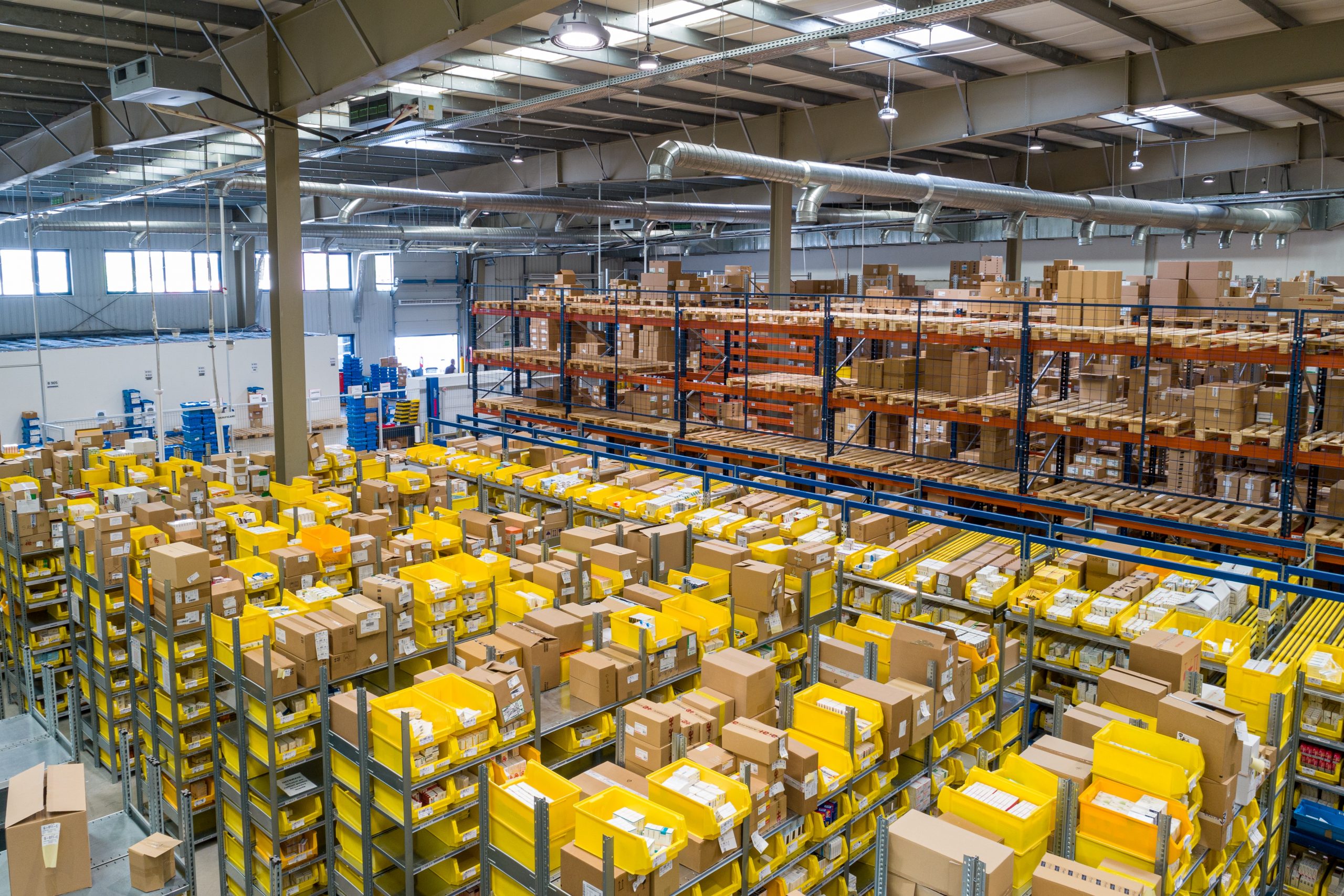
This holiday scare is the latest in a series of post-pandemic aftershocks that are forcing companies to re-evaluate the way they order and stock inventories. Do you increase your back stock in order to prepare for another supply chain crisis? Or, do you shrink your inventory and rely on hyper-efficient supply chains to return to pre-pandemic speeds?

post-covid manage inventories inventory stock tips jic jit shipping delays warehouse port congestion global supply chain

Re-Thinking the Supply Chain

The debate between “Just in time” (JIT) and “Just in case” (JIC) inventory levels has been in existence long before the onset of the Covid-19 pandemic. However, while supply chains were susceptible to vacillations in the global economy, there was never quite a shock to the system as far-reaching and long lasting as the one that kicked off in March 2020.

“Many clients previously had a dependable supply chain,” says Andrew Ciccarone, President of Sheltered International. “In the last few weeks we’ve seen boats in LA taking an extra month to dock. Now that inventory which should already be shipping for the holidays is still at sea, so we are helping them to rethink models for the post-Covid environment.”

Cost of Doing Business

For most companies, cost is the biggest factor, but relying completely on JIT inventory can leave a company susceptible to massive profit losses as we have seen over the last year. The decision is not an easy one.

For those focused on JIT inventory, it is important to consider extraneous factors that can potentially make JIT more expensive than JIC inventories. In October 2021, the annual inflation rate of the USD blew past projections to reach a two-decade high of 6.8%. This historic inflation rate, along with other considerations, led to the highest average gas prices since 2014. These increases in immediate costs for companies fully reliant on JIT inventory compound on already lost profits from an inability to provide goods to consumers. Companies who made decisions to stock JIC inventories may have had to spend more money upfront, but they have the potential to come out ahead in turbulent sectors like Q3 and Q4 of 2021.

Make A Strong Plan to Manage Inventories

post-covid manage inventories inventory stock tips jic jit shipping delays warehouse port congestion global supply chain

Photo Courtesy of Mak.

The reality of our new situation is every company needs a plan. Fortunately, the Chinese New Year can serve as a real-world testing ground for a post-pandemic world. It may seem a little out there, but the effect the annual holiday has on Chinese exports (over a short period of time, granted) is not dissimilar to the effects of port and factory closures from the Covid-19 pandemic.

Instead of ordering goods a week or two in advance based on current demand, take the time to analyze sales patterns of previous years to forecast how much inventory you will need for any given time. Additionally, with proper planning, you can make sure to take advantage of the best shipping rates with strategic booking from a platform like SiShips.

It’s also important to remember to plan for after any disruptions. As we are seeing now, ports take a long time to reduce backlog once it begins to pile up and, at the beginning of the supply chain, factories take time in order to ramp up production to pre-existing levels.

If we have learned anything, it’s that there are no longer any guarantees in the shipping industry. But, with proper planning and reasoned foresight, you can still maximize your time and profits.

Sheltered International combines expertise with state of the art software to bring you quality domestic and international shipping solutions. SiShips puts the shipper in control, offering efficient and cost effective ways to ship your product.


How SiShips Gives You The Advantage

Sheltered International combines expertise with state of the art software to bring you quality domestic and international shipping solutions. SiShips puts the shipper in control, offering efficient and cost effective ways to ship your product.

To learn more about managed transportation with SiShips, or to view a demo of our software, contact us today.

1 Continue Reading →

California Ports Resorting to Fines to Ease Shipping Backlog

New Incentives to Remove Congestion

Ports across the globe have been dealing with backlogs and delays to the global supply chain from the beginning of the Covid-19 pandemic in March 2020. Since then, local, national, and international governments have been exploring every option available to them to lessen the shipping backlog at crucial choke points.

Port Congestion Leads to Supply Chain Crisis

Beginning November 1st UPDATE 11/16/21: Fees will now begin 11/22, fines may be issued to unmoved cargo containers off the ports of Los Angeles and Long Beach, California. The dozens of unmoved containers have caused weeks worth of supply chain issues nationwide, preventing businesses from receiving the products they need. This jam is partially caused by a lack of warehouse workers and truck drivers available to pick up the goods from the containers. However, even once the goods are picked up, more issues such as storage and property damage become present. Since there are no workers available to transport the goods from the cargo containers, Los Angeles and Long Beach neighborhoods are being used as storage, crowding residential streets with trucks that can cause damage to the homes of Californians.

los angeles long beach california port congestion fines cargo transportation global supply chain fines residential containers shipping backlog

Local Government Steps In

The Board of Harbor Commissioners for both Los Angeles and Long Beach approved the Container Excess Dwell Fee, and new fines will be set in place in hopes of stimulating the supply chain. Prior to this port congestion, containers typically remained at the terminals for about four days, but recently almost half of these containers have been left for nine or more days. Last week, there were 153 anchored ships stalled at the ports, with more than 100 of these being large container ships holding millions of dollars worth of toys, clothing, electronics, and furniture. This causes issues nationwide because around 40% of shipping containers entering the U.S. come through the Los Angeles and Long Beach ports.

los angeles long beach california port congestion fines cargo transportation global supply chain fines residential containers shipping backlog

Container Excess Dwell Fee to Help Open Ports

For the next 90 days, containers full of goods to be moved by truck are allowed to sit at the ports for nine days until fines occur, meanwhile containers designated to be moved by rail will have six days to be moved. On each day over the allotted limit, a $100 fine per container may be issued, with an additional $100 fee per day that the container remains at the port. President Biden announced a plan to keep the Port of Los Angeles in operation for 24 hours a day in an effort to alleviate the port’s congestion before major holidays like Black Friday and Christmas, even considering deploying the National Guard to expedite the process. A multi-billion dollar loan agreement was also reached last week to help improve the infrastructure at the ports.


How SiShips Gives You The Advantage

Sheltered International combines expertise with state of the art software to bring you quality domestic and international shipping solutions. SiShips puts the shipper in control, offering efficient and cost effective ways to ship your product.

To learn more about managed transportation with SiShips, or to view a demo of our software, contact us today.

1 Continue Reading →

Port Congestion Reaches Breaking Point in US

Biden Administration Aims to Correct Supply Chain Delays

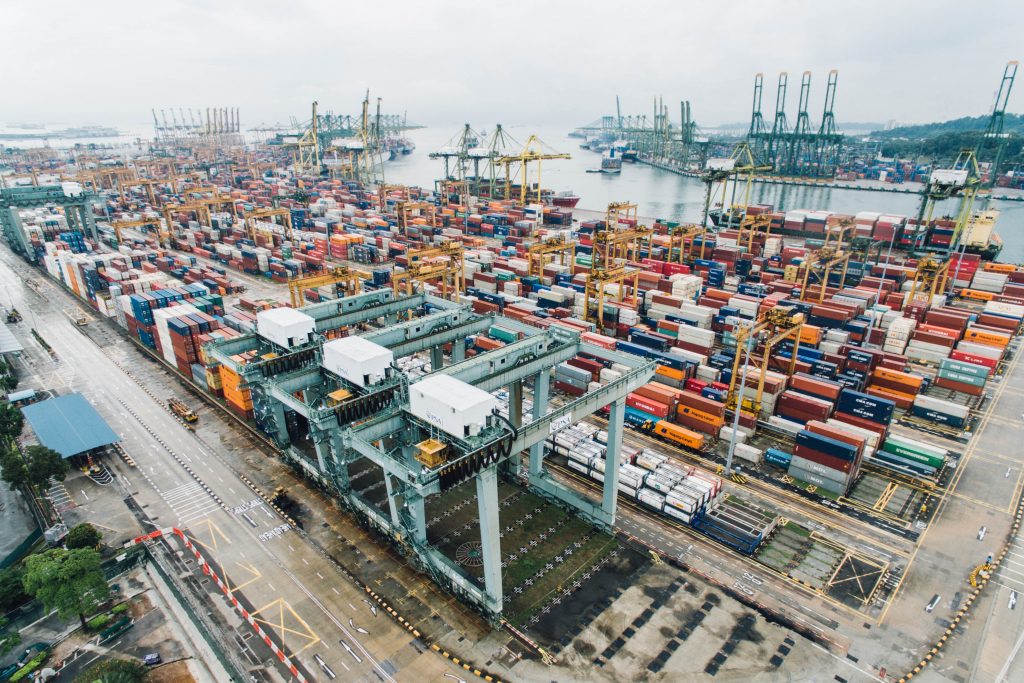
Most of the attention of the global supply chain throughout the Covid-19 pandemic has been on the port congestion seen in China, however, as the holiday season draws closer, the focus is shifting towards backlogs in the United States, especially in the Southern California ports of Long Beach and Los Angeles. The congestion at American ports has reached such a critical point that President Biden’s Supply Chain Task Force, initiated in June as a temporary stopgap, has directed the Port of Los Angeles to move to 24/7 operations. In addition to a night shift being implemented at the port, President Biden announced Walmart, FedEx, UPS, Samsung, Home Depot and Target will be adding shifts in order to help decrease the backlog.

The Biden Administration is working with a Supply Chain Task Force and floating the possibility of invoking the Defense Production Act to ease port congestion. Photo Credit: Rene Deanda

Trucking companies are hiring foreign nationals and lowering age minimums to combat staffing shortages. Photo Credit: Mat Napo

Blockages in Southern California Ports

It is not hard to see the effects the current port congestion is having across the country—from an inability to stock products on store shelves to an increase in average delivery times. Some experts even forecast that goods currently on ships will not reach stores by Black Friday on November 26th. The exact cause of these delays is impossible to pinpoint, simply because there are so many places where the supply chain has broken down. Examples worldwide include the power crunch in China and re-emergence of Covid-19 as a threat in Asia.

The problems continue in the United States; as of October 7th, 60 ships are waiting in open water to enter the Ports of Los Angeles and Long Beach. This led, in part, to the Biden Administration’s decision to institute a night shift at the Southern California ports. This strategic decision goes farther than an attempt to increase hours, because ports and trucks can operate more officially, by avoiding standard traffic, while working overnight and during off-hours.

Shortage of Long Haul Truckers

As the Biden Administration attempts to alleviate some of the pressure at the ports, they are finding themselves on the receiving end of pushback from the long haul trucking industry. For years now, the supply of truckers has been on the downswing, with employers lobbying to lower the minimum age for interstate drivers from 21 to 18 and attempting to source drivers from amongst foreign nationals. When factoring in hesitation from trucking unions at the potential of a vaccine mandate, there simply are not enough truckers to staff three shifts round the clock.

The delays continue through every single aspect of the supply chain with a shortage of trucks. Administration officials have floated the possibility of using the Defense Production Act in order to combat the shortage of OEM chips and other parts necessary to build more trucks.

port long beach los angeles congestion shipping global supply chain biden administration truckers trucking

A Global Solution Required

Despite the effort and attention to supply chain issues by the Biden Administration, it is clear that they alone will not be able to solve the problem overnight. This is a global issue, not one faced by the United States alone, but it does appear that global companies, such as the aforementioned Walmart and Samsung, are working to alleviate the supply chain issues. This does not come a moment too soon, as consumer prices are rising at a time of the year when stores generate a third of their annual revenue.


How SiShips Gives You The Advantage

Sheltered International is here to help guide you through unprecedented upheavals in the global shipping market. With our unique combination of technology and shipping expertise, Sheltered International is dedicated to transparency and designed to put control in the hands of the shipper. We will always find the most efficient way to transport your product, saving you time and money.

To learn more about managed transportation with SiShips, or to view a demo of our software, contact us today.
0 Continue Reading →

Power Crunch Races Through China

Perfect Storm of Circumstances Decimates China’s Energy Grid

Extreme weather, an increased demand for energy and strict limits imposed by the government on coal usage are leading to rolling blackouts throughout Northeast China and the rest of the country.

The timing is inauspicious for a global supply chain already stretched dangerously thin, especially as we enter the peak shipping season and year-end holidays for European and American markets.

china power crunch outage blackout delay shipping global supply chain

Why Is There A Power Crunch?

Over the summer, factories in ten Chinese provinces have cut output or closed temporarily, following government-imposed power cuts to curb carbon emissions. Those provinces affected include Jiangsu, Guangdong and Zheijang, which are home to plants that produce steel, plastics, chemicals and textiles. These provinces are also the location of the busiest ports in the world, such as Ningbo and Guangzhou, which had already suffered backlogs related to Covid-19 within the past few months.

Also, due to the efforts to curb carbon emissions, mines have been instructed to harvest less coal, which as led to a nearly doubling in the price of coal since this time only one year ago. Coal accounts for 60% of China’s total energy output, but even efforts to utilize green energy have been thwarted by nature. Droughts have crippled the potential to offset the high coal prices with hydropower.

china global supply chain ningbo province power crunch outage rolling blackout coal hyrdopower

What Does This Mean for China and the World?

The most immediate issue faced by the power shortage is in the homes of the billions of Chinese citizens. Traffic lights, failure of heating systems and the shutdown of elevators in high-rise buildings have brought many people to seek medical care; in the Liaoning province, 23 workers where sent to the hospital with carbon monoxide poisoning when ventilators unexpectedly and suddenly shut off.

American companies Apple and Tesla have been warned th

at production lines have been and will continue to be negatively affected. Some economists are projecting China’s GDP to decrease by nearly 1.5% in the fourth quarter of this year. Industrial output growth In September decreased 4.5% adding to the short-term global concern of rising ocean freight rates.

How Long Will the Power Crunch Last?

Unfortunately, there is little hope that the energy crunch and intermittent power outages will vanish overnight. Nationwide safety checks in coal mines that have recently seen a concerning uptick in deadly incidents have resulted in massive suspensions of operations across all of China, leading to a further rise in the price of coal. Forecasts are predicting the situation will continue until at least the end of the year, possibly even into the spring of 2022 as a demand for heat during the winter months will continue to stretch the power grid.

Business owners are frustrated with the power crunch, which has been exacerbated by President Xi Jinping’s goal of a carbon neutral China by 2060. China, as it currently stands, is massively dependent on coal power and it will take time to fully transition to a grid supported by hydro, wind and other sustainable forms of energy generation.


How SiShips Gives You The Advantage

Sheltered International is here to help guide you through unprecedented upheavals in the global shipping market. With our unique combination of technology and shipping expertise, Sheltered International is dedicated to transparency and designed to put control in the hands of the shipper. We will always find the most efficient way to transport your product, saving you time and money.

To learn more about managed transportation with SiShips, or to view a demo of our software, contact us today.

0 Continue Reading →

Sheltered International to Offer Managed Transportation

All of Your Logistics Solutions in One Place

Sheltered International is excited to share we will now be offering managed transportation. If you’re looking to outsource all of your logistics operations or just a specific segment, such as supply chain discovery or shipment optimization, managed transportation is the best way to grow your business with the assistance of our shipping expertise. Sheltered International will use these new services to enhance our already existing resources of satellite tracking, document management, notification management and delivery deadline tracking.

What that means for you, the shipper, is you will be able to have greater control over your freight shipments while saving on cost.

Put the Shipper In Control

freight cargo shipping containers harbor managed transportationThe singular goal of managed transportation is to empower the shipper with choice. We provide the knowledge and you can make the decisions that work best for your company; it’s as simple as that. Instead of booking on our contracts, we enable your business to initiate your own carrier contracts.

Once your freight is en route, we will use our software and staff to optimize routing, notify you of shipment dispatch, track transit and delivery, and, ultimately, ensure payment and analyze the reported data. Our package of managed transportation services includes:

  • Account Management & Governance
  • Freight Optimization
  • Reporting & Analytics
  • Vendor Management
  • Flexible Commercials
  • Consulting & Engineering
  • Order Management
  • Procurement & Pricing
  • Risk Management
  • Control Tower
  • Track & Trace
  • Freight Pay & Audit

cargo ships managed transportation freight crane harborA Hybrid Approach to Managed Transportation

There are two options when looking to improve the speed and quality of your freight delivery: your company can purchase a transportation management system (TMS) or you can outsource the logistics to a managed transportation services provider (MTS). The upshot of a transportation management system is greater net savings, however, you are unlikely to see the same quality of service improvements compared to a managed transportation services provider.

But, what if you don’t have to choose?

Sheltered International is now able to provide our clients with the best of both worlds. We will provide you with the value-added services that you select; a few examples include logistics consulting and analysis, carrier procurement, shipment planning, and execution. And, of course, you will have dedicated account teams at your disposal that will provide insight into KPIs, inside industry updates and quarterly business reviews.

Benefits for Small Shippers

Traditionally, shipping has been all about volume, and for smaller shippers who can’t match the output of larger corporations that means being left behind in the dust and dealing with exorbitant prices and poor customer service. Managed transportation is a modern way for companies with smaller footprints to have access to the same benefits of those larger companies.

Managed transportation with give you access to the whole toolbox without the costs traditionally associated with the large operations that enable access to those volume based discounts.


How SiShips Gives You The Advantage

SiShips is able to help shippers of all sizes and experience levels with our flexible account management and à la carte pricing. With the addition of managed transportation we can tailor our services to fit your freight needs best. Whether your focus is domestic or international shipping, SiShips is here to help you find the most efficient way to transport your product.

To learn more about managed transportation with SiShips, or to view a demo of our software, contact us today.

0 Continue Reading →

How Is A Shipping Container Made?

Learn How Long It Takes To Make a Shipping Container and Why There is a Current Shortage

Just like you don’t think about how a box of frozen waffles found it’s way to your freezer, it’s probably unlikely that you’ve ever seriously considered how involved and intricate the process of making a shipping container can be (even if you work in the shipping industry!) The process shares many similarities with putting together that cardboard box of waffles, at a much larger scale. It takes teams of hundred of specialized assembly line workers (welders, painters, etc.) to build just one box. When considering the scale at which a shipping container factory operates it is no surprise that they, like virtually every industry over the past year, have dealt with numerous delays stemming from the COVID-19 pandemic.


What Pieces Are Required for a Shipping Container?

Maersk shipping container ships China box production facilities

Maersk is one of the largest shipping container manufacturers in the world.

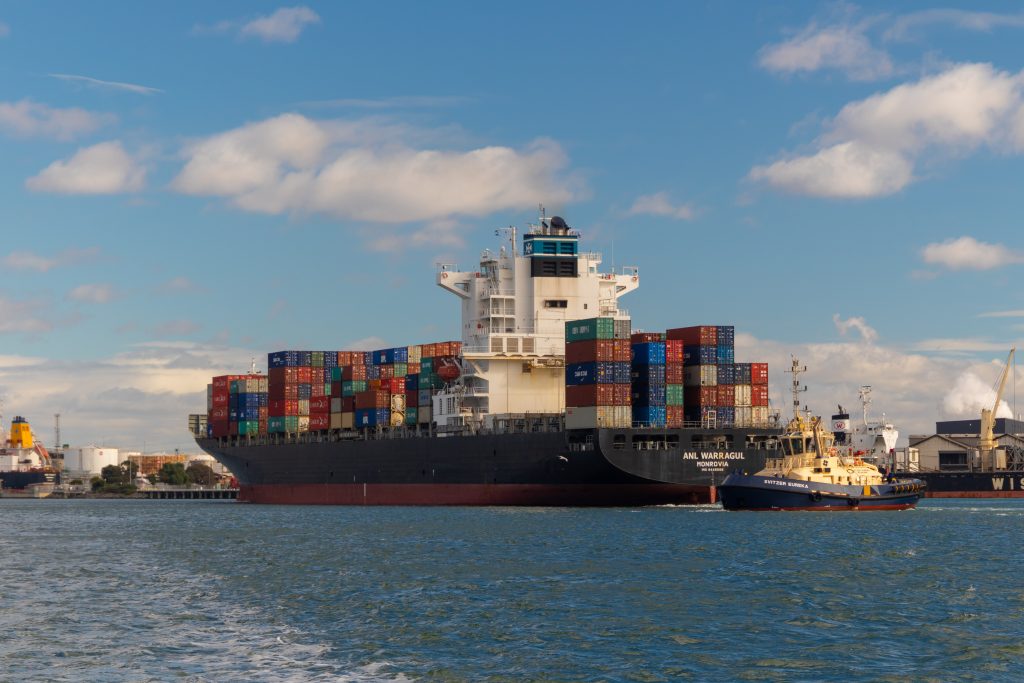
The shipping industry is a global industry, but like the Spice Road of old, all shipping roads eventually lead to China. Even Maersk, based in Denmark and one of the largest shipping container manufacturers in the world, has their production facilities located in China.

It starts with steel. Big rolls of the metal alloy are unrolled and cut into sheets (approx. 2-3 meters in length). These sheets are sandblasted, primed and run through a corrugation machine. Corrugation increases the strength of all types of material; picture a strong cardboard box compared to a flimsy sheet of paper.

The sheets are also made to use roof panels, floor braces, and wall panels. Now that we have all our formed pieces, it’s time to build some containers.


Some Assembly Required

The initial step of construction is to weld wall panels, square tubing for the tops of walls, and to create a floor frame assembly. This floor frame looks much like a very wide, long steel ladder and provides structure and strength for the rest of the build. Corner posts are added and welded to the floor frame. Smaller pieces of the corrugated steel are used to build the door frame, which is then attached to the corner posts and floor frame. This step of the process is nearly identical to the initial framing of a house, except instead of wood and nails, we’re welding steel. Roof panels are then added, and are quite flimsy by themselves until they are attached to the pre-existing framework of the container, as they lack corrugation.

shipping containers construction how to build hardware steel

Logos and other paint decorations are one of the final steps in the building process.

The container now looks more like a finished product than ever. It is put on temporary wheels and run through priming, painting, and touch up. Workers then add varnished wood flooring and attach it to the container with a combination of wood glue and heavy-duty screws.

Any exterior decoration is now added and door hardware is installed. The all-important waterproofing stage begins by outfitting the door with rubber seals and waterproofing the bottom of the box in a specialized tunnel.

There are a series of inspections and tests including a run through the “car wash” to make sure the box is watertight and can handle extreme elements. Thanks to the hard work of dozens of people, we have a Grade-A shipping container!


Reasons for Current Shortage of Shipping Containers

box shipping container port blockage back up congestion

There are shipping containers available, they’re just not where they need to be around the world.

Believe it or not, the time it takes to complete all of the steps lined out above is roughly twelve hours (including watching the paint dry). The real question is how quickly does the shipping container become available after placing an order? Normally, lead times for delivery of a shipping container is six weeks, but during the pandemic the shipping industry has seen those lead times stretch out to nearly four months.

Even still, China is expected to produced 5.4 million TEUs (20-foot equivalent units) of steel boxes in 2021, so how can there possibly be a shortage? Simply put, the shipping containers that do exist are in the wrong place. The now infamous blockage in the Suez Canal in addition to shutdowns at Chinese ports due to Covid-19 have pushed already strained shipping lines to the brink. In fact, the “shortage” of shipping containers is a bit of a misnomer; the physical number of shipping containers in existence exceeds the requested capacity. However, the lack of available shipping containers in desired locations will remain, in some form, until ports can work through their congestion.


How Can SiShips Give You An Advantage

If you’re looking for a shipping partner to guide you through the confusing waters of international and domestic trade, SiShips is here to help. We combine our personal expertise with state of the art software to work through any and all delays across the globe. SiShips can work with you to find the most cost and time-efficient ways to transport your product wherever it needs to go.

To learn more about SiShips, or to view a demo of our software, contact us today.
0 Continue Reading →

Sheltered International to Provide Around the Clock Rail Tracking

SiShips Expands Existing Information Database with Rail Tracking

We know, now more than ever, that information is the most valuable commodity. That is why we are excited to share SiShips is now offering rail tracking in tandem with our GPS satellite ocean tracking. Our rail tracking will provide near real-time data sent around the clock, increasing transparency in the shipping process and enabling our shipping partners to be constantly aware of the location of equipment and railcars on more than 560 rail carriers across North America. Our enhanced intermodal tracking abilities will provide more data that you care about in order to improve performance and efficiency while reducing cost.Cargo Ship and Train Terminal

It’s All About the Data

More data points means greater transparency and a greater ability to save you money. Utilizing wayside detectors, the system processes over 11 million events every single day, guaranteeing instant and, more importantly, accurate insight into the status of your shipments. These systems enhance our already vast ocean database and result in more detailed ETAs, Standard Point Location Codes and waybill information.

Unique Benefits of Hybrid System with AIS Satellite Tracking

Our goal has always been to provide complete shipping visibility throughout the entire shipping process from initial loading to final delivery of freight. Our intermodal network allows us to fulfill that mission better than ever before as we deliver a seamless transition from sea-to-land. AIS satellites were first implemented in 1974, meaning we have decades of data to rely upon. Couple that with the terrestrial rail tracking, which contains data points from nearly 200 years ago, and you have an incredibly reliable system that is able to foresee changing conditions like no other.

Screenshot Hybrid Ocean Rail Tracking SoftwareReduce Costs, Improve Performance

The sheer amount of data available through SiShips can be overwhelming, and even feel insurmountable to wade through, and that’s exactly where SiShips comes in to synthesize the seemingly inscrutable information. SiShips is able to improve efficiency for any company by keeping track of the entire fleet in one place. Our shipping partners are able to reduce overhead and shift their personal and invaluable IT resources to focus on their core business. There is no need to worry about bad orders, stress about disputed fees or demurrage charges when you have the exact location and timing of every single shipment at your fingertips.


How Can SiShips Give You An Advantage

Freight is constantly moving across thousands of miles every day. Sheltered International is dedicated to providing near real time information to our shipping partners in order for them to make the best decisions when it comes to their product needs. From local depots to international ports, our unique combination of technology and shipping expertise will keep you one step ahead of the competition. Rail tracking combined with AIS GPS satellites means you will never be in the dark about the status of your cargo.

To learn more about rail tracking via SiShips, or to view a demo of our software, contact us today.

0 Continue Reading →

Port Congestion Exacerbated by Shutdown of Ningbo Terminal

Temporary Shuttering of Meidong Terminal in China

A positive test for coronavirus on a vaccinated individual, working for an undisclosed carrier, led to shipping delays and the temporary shuttering of Meidong terminal in Ningbo, China, the country’s second largest container port, according to Reuters. The shutdown of the terminal, at 3:30 AM local time on Tuesday, August 10th, was the result of China’s tighter restrictions as it attempts to fight the most recent outbreak of coronavirus within its borders.Shipping Delays

The backlog of ships queuing to call at Ningbo stood at 37 vessels as of Friday, August 13th, down from a peak of 39 the day before. Ningbo Zhoushan Port Co Ltd, the owner of Meidong terminal, was forced to make quick decisions to divert incoming vessels to neighboring ports in Ningbo and Shanghai. Nearby Yangshan port in Shanghai was facing a backlog of 29 vessels of its own at the time of the report. Unfortunately, the timing could not be worse, as ports in the East China Sea are still playing catch up due to disruptions stemming from Typhoon In-Fa, that struck hard in July. 

Backlog Keeps Building

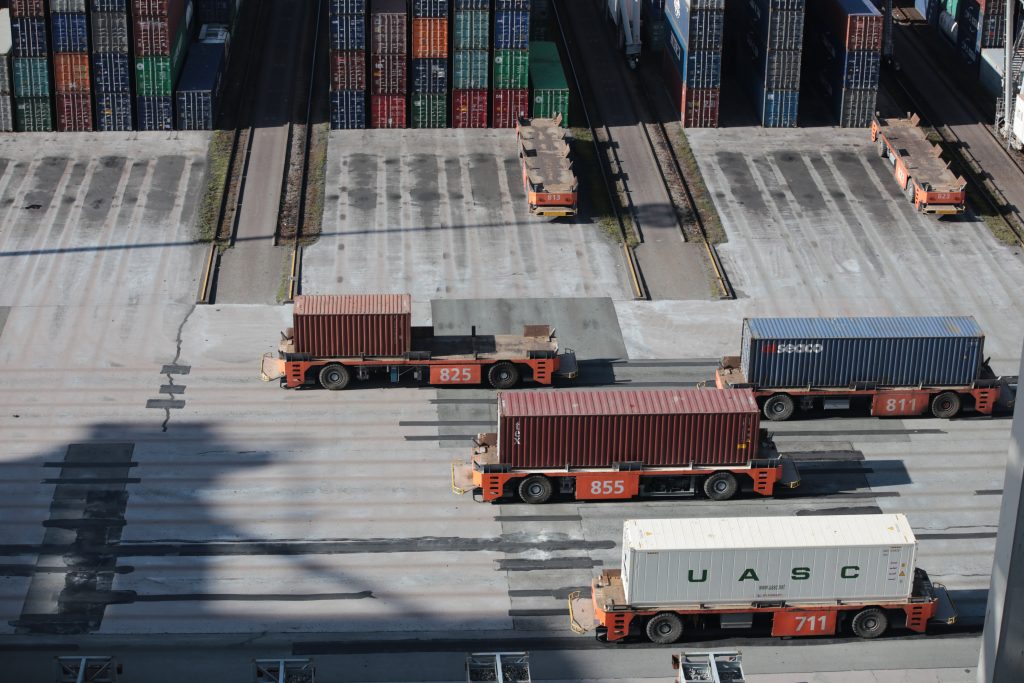
The ocean logistics chain is already stretched to its utmost limit, with 100% capacity on all ocean-going vessels; making it exceedingly difficult to lower the backlog, especially at an integral terminus such as Meidong, which accounted for 5.44 million TEUs, or 17% of the city’s total container handling volume in 2020. 

Amid no signs of lessening demand from the US and Europe, this latest domino effect of port congestion could push container shipping rates even higher, after setting an all-time record north of $20,000 per 40-foot box just last week. In addition to Ningbo and Shanghai, the Yangtze River estuary has seen particularly acute congestion. Experts are warning businesses to consider contingency plans as the U.S. ramps up for the holiday shopping season.

Shipping Companies Staying Optimistic

Shipping DelaysThere is still optimism that the Ningbo shutdown will be less dramatic than that experienced in Yantian, near Hong Kong in the South China Sea. Over 150 ships were diverted or skipped calls entirely in May. Thorsten Meincke, DB Schenker board member for air and freight expressed hope Meidong will be able to isolate any infection and quickly resume operations as normal. “If they don’t open the terminal today or tomorrow, then the impact will be super massive. Ningbo is in the epicenter of greater Shanghai,” he was quoted in an interview with JOC.com.

Forwarders anticipate a phased reopening of the Meidong terminal to begin on Wednesday, August 18th, following testing on 50,000 individuals showing no new cases of COVID-19. In order to clear the backlog, no new cargo will be accepted until a week later, on August 25th, with normal operations expected to resume on September 1st.

How Can SiShips Help You Navigate the Constantly Changing Global Supply Chain?

Through our unique combination of technology and shipping expertise, Sheltered International is dedicated to transparency and designed to put control in the hands of the shipper. We are able to provide up to date information on the status of ports across the globe and how to best manage your shipping and delivery needs. Just like freight moving from sea to air, when technology meets shipping, sparks fly. 


To learn more about SiShips, or to view a demo of our software, contact us today.
0 Continue Reading →

FMC to Begin Auditing Detention and Demurrage Charges 

Top 9 Container Lines Become the Target of FMC’s Audits

Among increased pressure from shippers, Congress, and the White House, the US Federal Maritime Commission (FMC) will begin auditing how they bill customers’ detention and demurrage charges. The audit targets the top nine container lines including Cosco Shipping Group, CMA CGM, Evergreen, Hapag-Lloyd, HMM, Maersk, Mediterranean Shipping Co., Ocean Network Express, and Yang Ming.Auditing Charges

A letter to the container carriers details that the Vessel-Operating Common Carrier Audit program will determine whether carriers will face additional storage fees if they are unable to pick up or return containers. Lucille Marvin, managing director of the FMC, says in the letter that each carrier is required to encourage a managing director to respond to the FMC’s audit and provide regulators with monthly updates.

FMC Raises Questions in Fairness of Detention and Demurrage Fees

In spring 2020, the FMC questioned the fairness of detention and demurrage fees, bringing to light the question of whether or not they encourage carriers to retrieve import containers and return empty ones. Despite this, the underwhelming amount of formal complaints about detention and demurrage fees led to a lack of action. This, paired with President Biden’s executive orders that targeted container carrier practices, put pressure on the FMC to more strictly monitor any activity that could violate the Shipping Act of 1984.

On June 6, FMC Chairman Daniel Maffei and FMC Commissioner Rebecca Dye explained their goal to audit detention and demurrage billing, and Maffei acknowledged that the FMC might need more resources to do so. Jen Psaki, the White House’s press secretary, argued that carriers should not bill shippers while their goods wait at shipping ports.

Shippers and Container Lines Disagree on the Necessity of Fees

Shippers responded to the charges saying that they are responsible for paying the costly fees when congested ports prevent them from picking up containers and returning equipment. These fees are only becoming more expensive as Asian imports clog U.S. marine terminals, making it more difficult for truckers to pick up the containers and drop off equipment. In response to this rebuttal from shippers, carriers state that they must require fees as a way of encouraging the removal of cargo and the return of equipment in a timely manner.

Shippers have historically viewed detention and demurrage bills as unjust. The National Industrial Transportation League (NITL) and the Agricultural Transportation Coalition (AgTC) have sought changes to the placement of legal burdens, taking the position that detention and demurrage billing should fall on carriers rather than shippers. Meanwhile, the FMC is unsure how to respond to claims from shippers and truckers that some container lines use storage fees as a source of revenue. Rules created in response to a fact-finding inquiry in 2018 failed to end detention and demurrage billing practices that shippers deemed unfair. In response, the NITL and AgTC proposed changes to the Shipping Act.


It’s important to choose the most reliable company for your shipping needs, and shipping with Sheltered International is easy and affordable.

To learn more about SiShips, or to view a demo of our software, contact us today.

 

0 Continue Reading →


Recent Comments by Sheltered International

    No comments by Sheltered International